United Kingdom
 Deutschland
 France
 Belgium
 Bulgaria
 Česká Republika
 Croatia
 Denmark
 España
 Finland
 Greece
 Hungary
 Iceland
 Ireland
 Italia
 Kazakhstan
 Latvia
 Lithuania
 Luxembourg
 Malta
Malta
 Nederland
 Norway
 Österreich
 Polska
 Portugal
 Romania
 Schweiz
 Slovakia
 Slovenia
 Sweden
 United States
 Canada
 Argentina
 Brasil
 Chile
Chile
 Colombia
 Costa Rica
 Cuba
Cuba
 Dominican Republic
 Ecuador
 El Salvador
 Guatemala
 Jamaica
 México
.svg.png?width=24&name=Flag_of_Peru_(state).svg.png) Peru
Peru
 Trinidad and Tobago
.png?width=24&name=Flag_of_Uruguay_(1828-1830).png) Uruguay
Uruguay
 Australia
 中国
中国
 中国香港
中国香港
 India
India
 Indonesia
 日本
日本
 대한민국
대한민국
 Malaysia
 New Zealand
 Pakistan
 Philippines
 Qatar
Qatar
 Saudi Arabia
 Singapore
 Taiwan
 Thailand
 Türkiye
 UAE
UAE
 Vietnam
 Algeria
 Egypt
Egypt
 Kenya
Kenya
 Mauritius
 Morocco
 South Africa
 Tunisia
No license needed
Operators do not need a special driving licence or hours of training to learn how to use an electric tug.
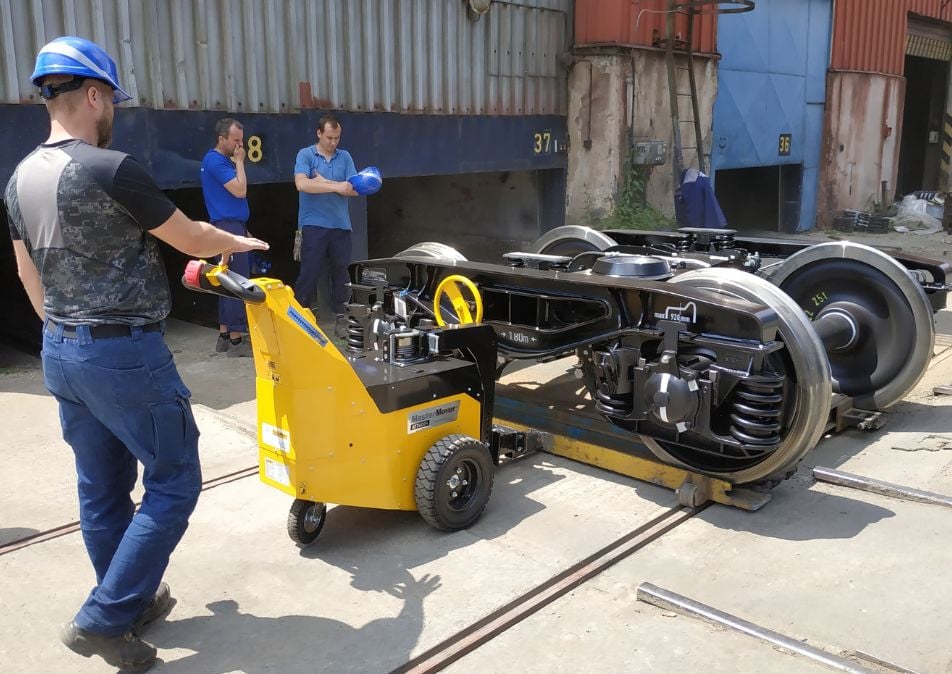
It’s simple to use, easy to handle and removes the effort out of moving heavy and awkward wheeled loads.
Instead, the electric tug does all the hard work so all a single pedestrian user needs to do is securely attach to the load and guide it where it needs to go.
It’s the cost-effective alternative
Unlike fixed infrastructure such as overhead cranes or a system of pulleys and chains, a MasterMover machine is a cheaper alternative to more costly moving methods. It’s flexible too. If, for example, a production layout changes, then a MasterMover can be easily incorporated into the new workflow, without the need for expensive factory alterations.
What’s more, because of the compact footprint of the machines, an electric tug is ideal for navigating corners and narrow, congested spaces.
Plus, there’s the time and cost savings relating to training. Whereas forklift truck operators need a special license to work in the UK, any member of staff can use an electric tug with just a small amount of training.
That means if something needs to be moved, then there’s no wasted time or waiting around for a trained forklift truck operator to become available. Downtime becomes a thing of the past.
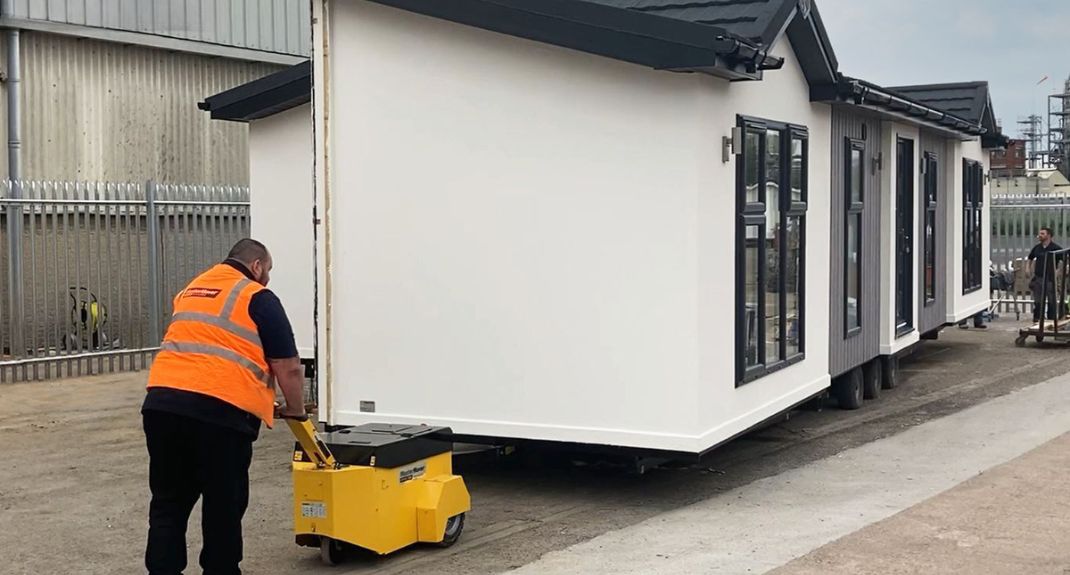
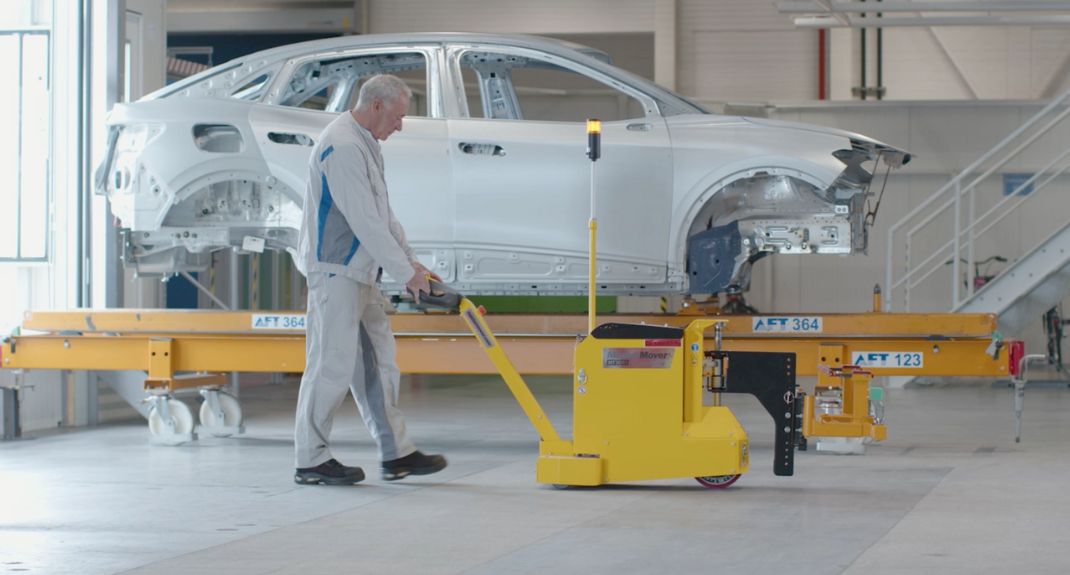
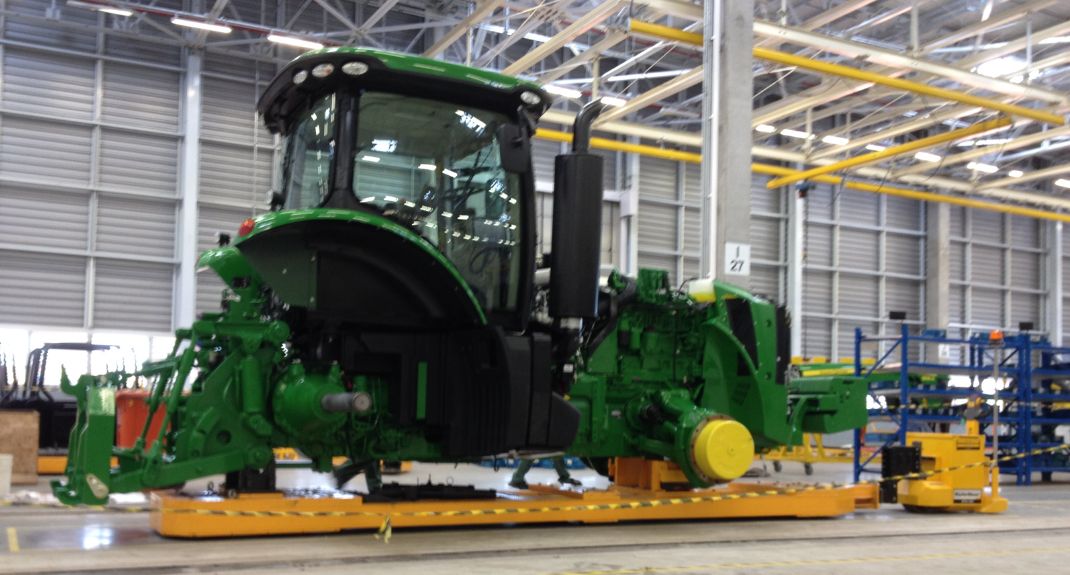
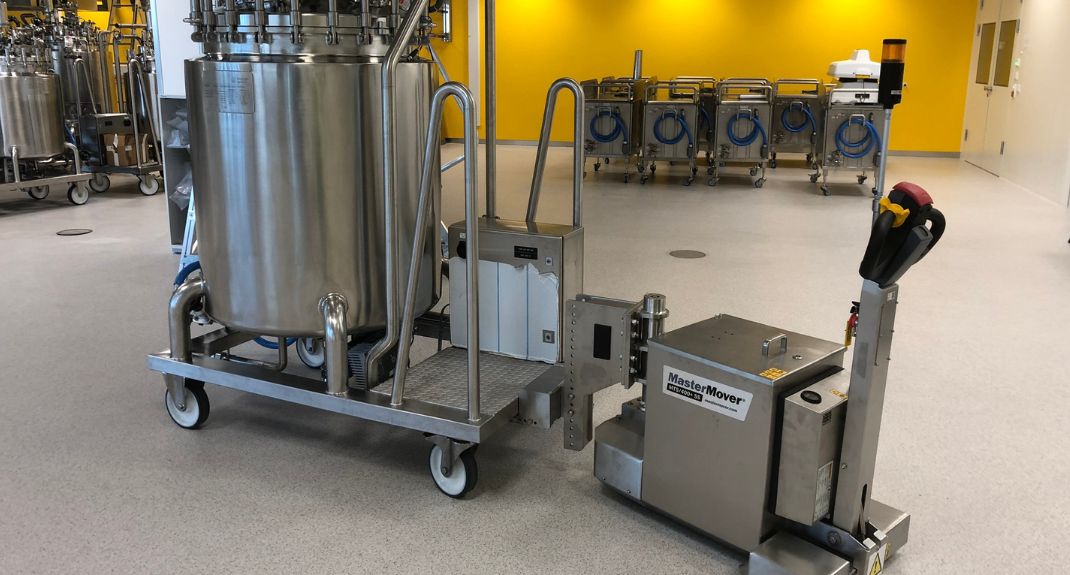
What types of business use electric tugs?
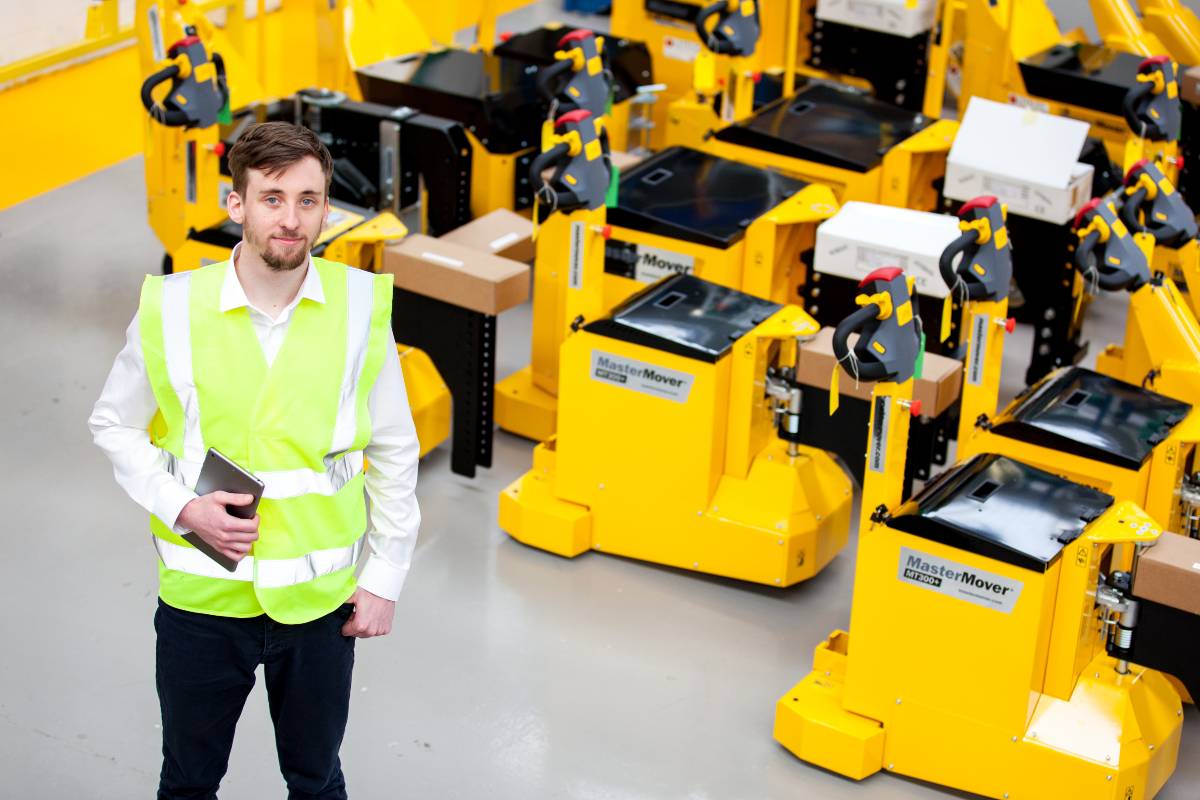
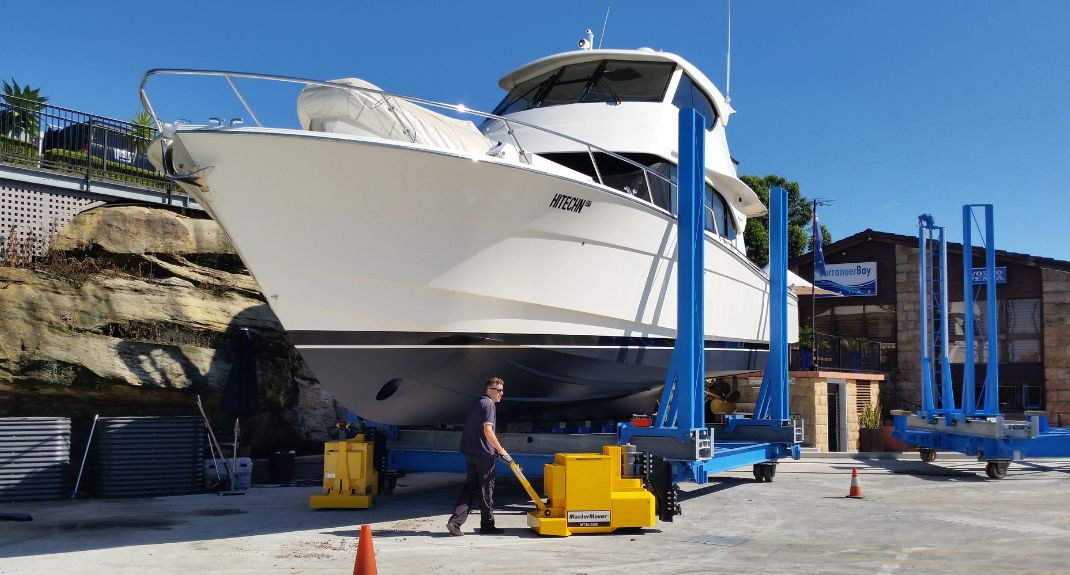
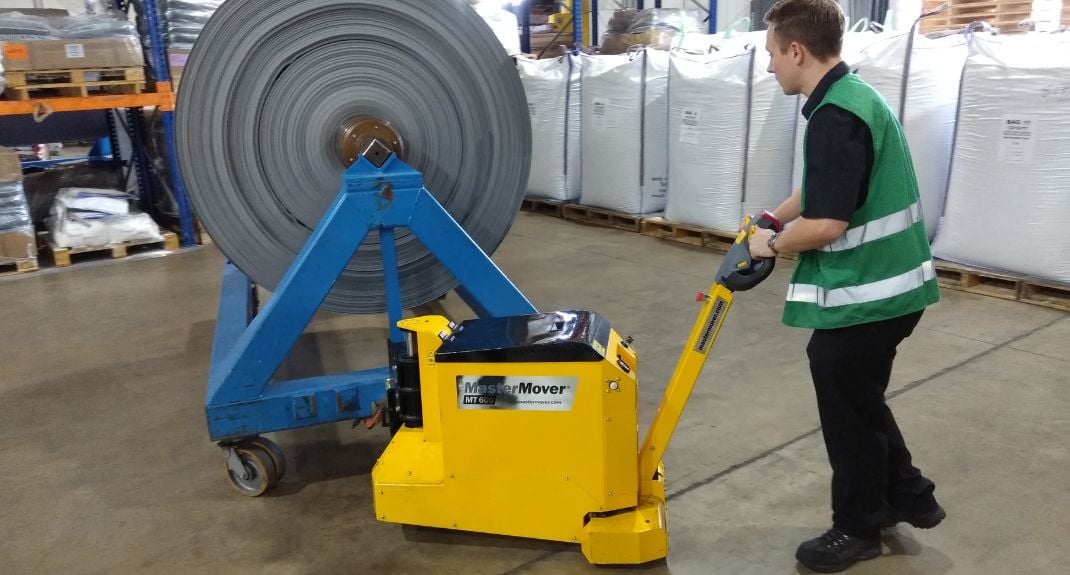
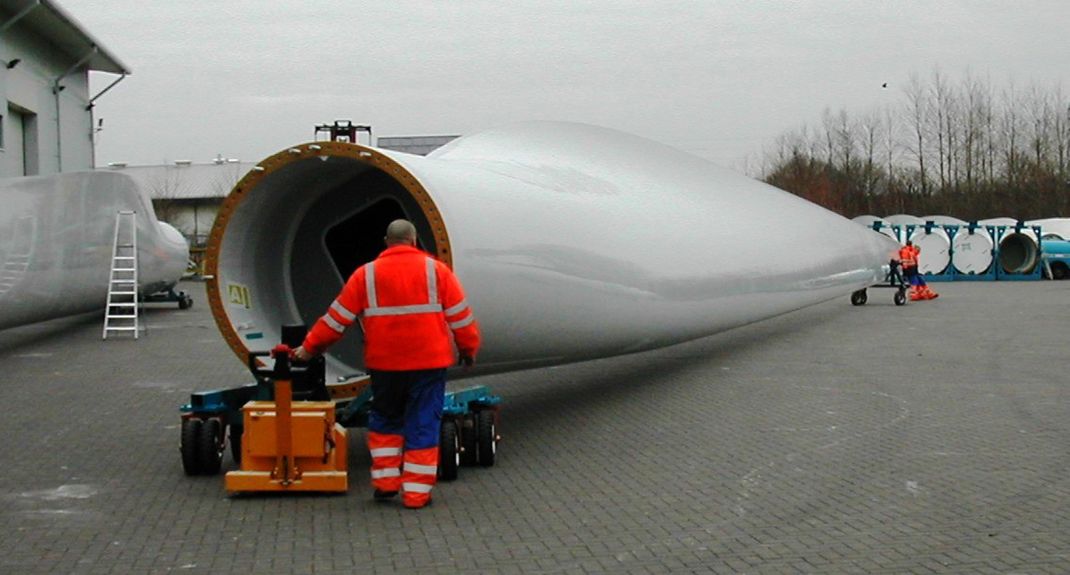
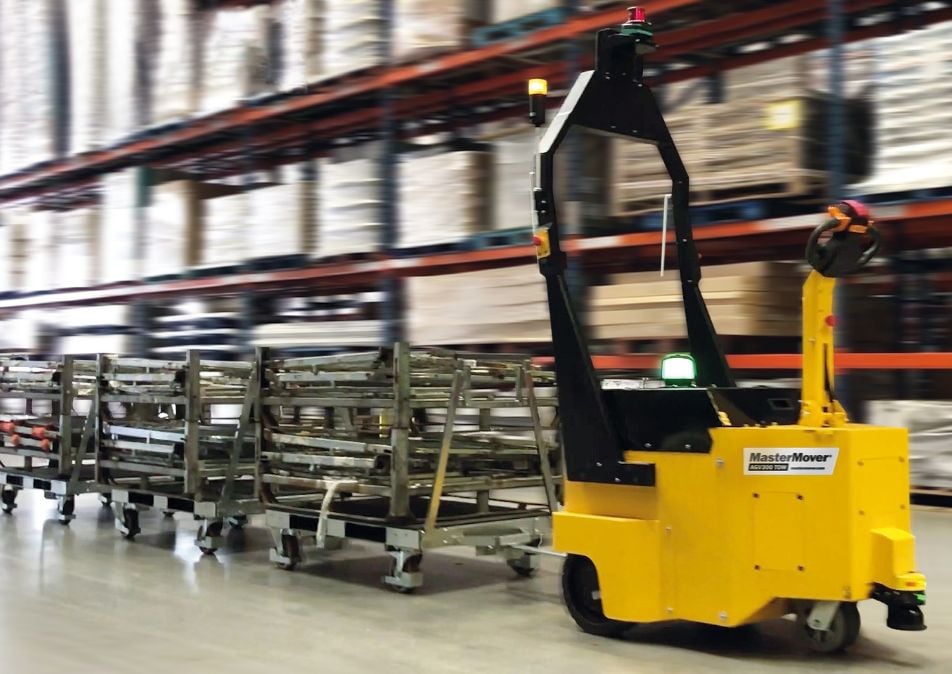
MasterMover electric tugs can be found in every sector and in businesses right across the globe.
There are chemical and biopharmaceutical manufacturers that require the safe and efficient movement of often sensitive but nevertheless awkward loads, while also protecting the wellbeing of highly-trained staff.
There are the manufacturing environments that demand precision movement of valuable components in the most challenging of conditions. That’s why MasterMover also supplies ATEX compliant tugs for use in potentially explosive environments, as well as stainless steel tugs for use in the food industries and biopharmaceutical sectors.
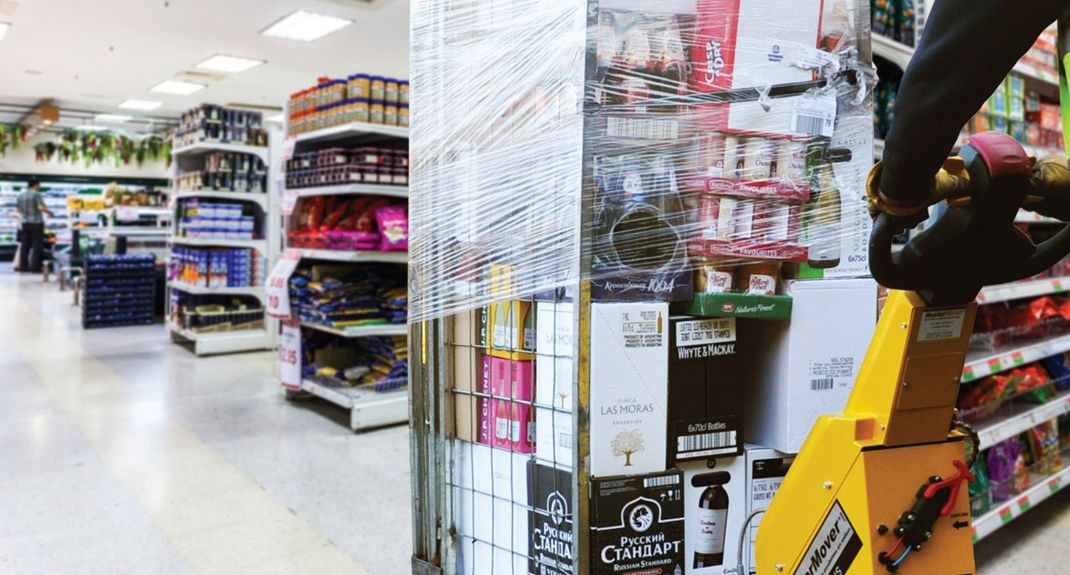
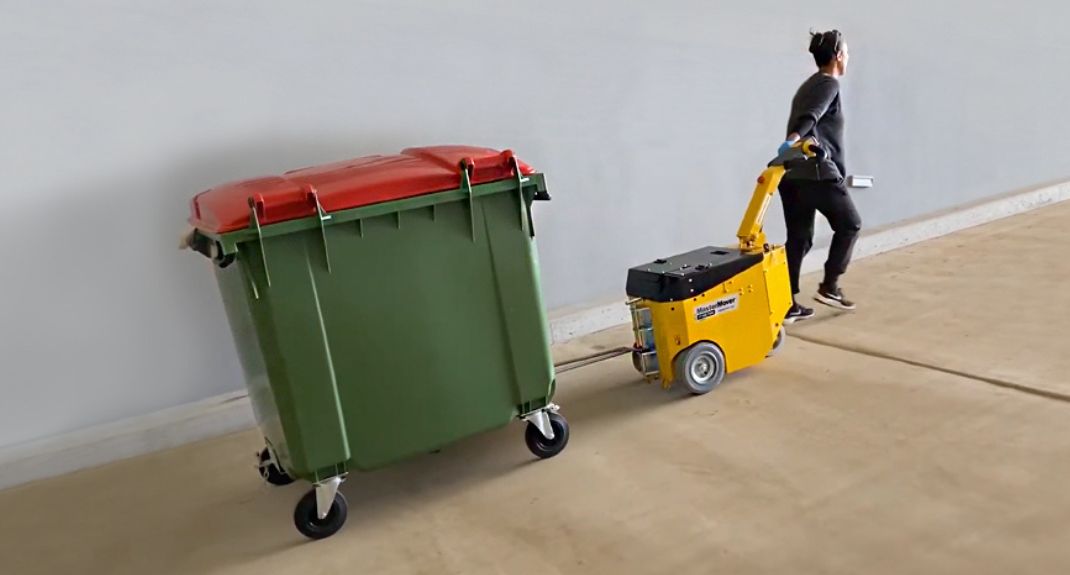
It’s not just in manufacturing, either. Retail and logistics operations, healthcare and facilities management companies all depend on the smooth and seamless movement of loads. From the movement of roll cages to laundry cages and waste bins, an electric tug unlocks the benefits of far greater productivity and safety.