Continue reading
- Home
- / Manual Handling
Everything you need to know about manual handling
The 2026 Manual Handling Guide for Safety Managers
Are you a Safety Manager working in manufacturing or logistics? If the answer is yes, this guide is for you. In our comprehensive 2026 manual handling guide, we walk you through the challenges of manual handling, the latest statistics, key tips to reduce the risk of injury and highlight solutions that deliver safer handling for your staff.
Thank you. Here is your MasterMover Manual Handling Checklist which you can also download on this link.
We may contact you by phone or email, if you have not opted out, or where we are otherwise permitted by law, to provide you with marketing communications about similar goods and services. The legal basis that allows us to use your information is ‘legitimate interests’. More information about how we use your personal data can be found in our Privacy Policy.
Thank you for submitting your consultation request.
A member of the team will be in touch shortly.
We may contact you by phone or email, if you have not opted out, or where we are otherwise permitted by law, to provide you with marketing communications about similar goods and services. The legal basis that allows us to use your information is ‘legitimate interests’. More information about how we use your personal data can be found in our Privacy Policy.
Getting a handle on manual handling
Manual handling is part of many operations, but it's also an area that can lead to injuries. In fact, manual handling injuries are one of the most common types of workplace injuries, leading many Safety Managers to assess manual handling processes in pursuit of safer operations and working environments.
Often, the manual movement of loads can be avoided or supported using mechanical aids and process changes. Where tasks can’t be remapped or removed, it’s crucial for businesses to ensure they follow best practices and educate their staff on safe and efficient handling techniques.
This comprehensive guide will provide you with everything you need to know about manual handling.
2. Common handling tasks & manual handling activities
3. The risks of moving loads by hand
4. Workplace injury statistics
5. Manual handling risk assessment & techniques
6. Manual Handling Operations Regulations 1992
7. 5 Key principles for safely moving loads manually
1. What is manual handling?
Manual handling is the transporting or supporting of a load by hand or bodily force; including lifting, lowering, pushing, pulling, and carrying. In the UK, it's legally defined under the Manual Handling Operations Regulations 1992 (MHOR).
Risk depends on the load's weight, shape & stability, how far & often it's moved, and the posture required. Manual handling injuries account for over a third of all workplace injuries in the UK, making it one of the most common causes of lost working time.
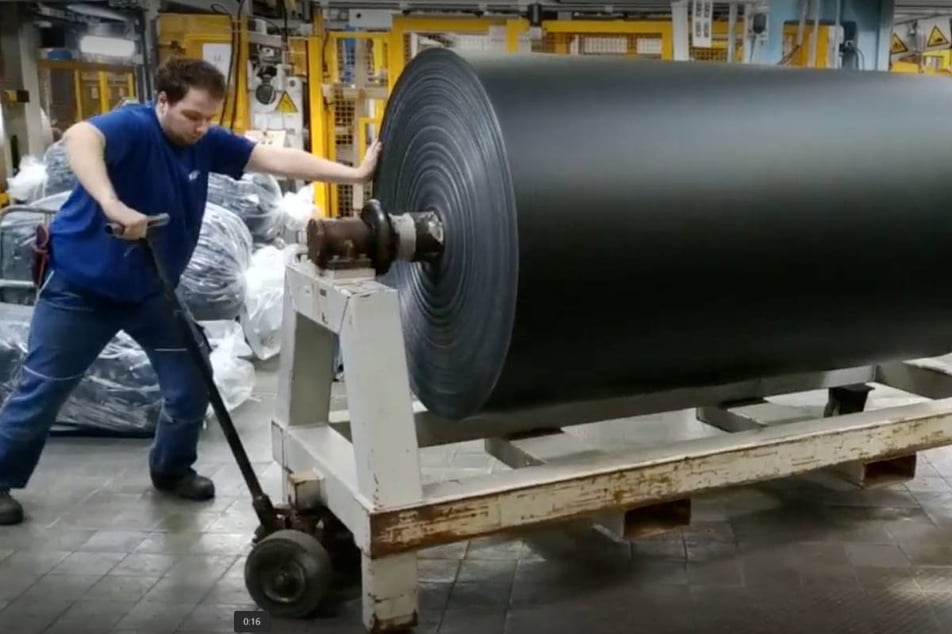
Common manual handling injuries
Manual handling injuries fall into a small number of recurring categories, driven by the same underlying mechanisms: excessive load, poor posture, repetition, and awkward movement. An estimated 511,000 UK workers are living with a work-related musculoskeletal disorder, and MSDs caused 7.1 million lost working days (HSE, published November 2025).
Musculoskeletal disorders (MSDs) - the largest category
Back injuries - the single most common MSD outcome
Strains & sprains - from overexertion or poor lifting/handling technique
Crush injuries & trapped limbs - from awkward or unstable loads
2. Common handling tasks & manual handling activities
Typical manual handling tasks vary from industry to industry. Across retail and logistics, manual handling tasks often include carrying or moving boxes of stock, pushing heavy roll cages or repetitive tasks such as packing.
Within industrial manufacturing, manual handling can involve a range of tasks, such as operating heavy tools, pushing and pulling heavy equipment and lifting parts.
Manual handling weight limits
There's no legal maximum weight for manual handling in the UK. The commonly cited figure of 25kg for men and 16kg for women is an HSE guideline for screening tasks and processes that are in need of review. This guideline limit is also dependent on the load being held close to the body, between knuckle and shoulder height, and infrequently lifted; once any of these factors change, the guide limit drops sharply.
3. The risks of moving loads by hand
Moving loads by hand presents the risk of injury. Injuries are often caused by the handling of heavy loads, poor posture, and repetitive, awkward movements. These can lead to various injuries, including musculoskeletal disorders (MSDs), back injuries, strains and sprains, hernias and slips and trips.
Musculoskeletal disorders are one of the most common types of work-related injury. These injuries can cause significant pain, loss of mobility, and an inability to work. Injuries caused by manually moving heavy loads can also lead to long-term health issues that can negatively impact an employee's quality of life.

Pushing and pulling wheeled loads
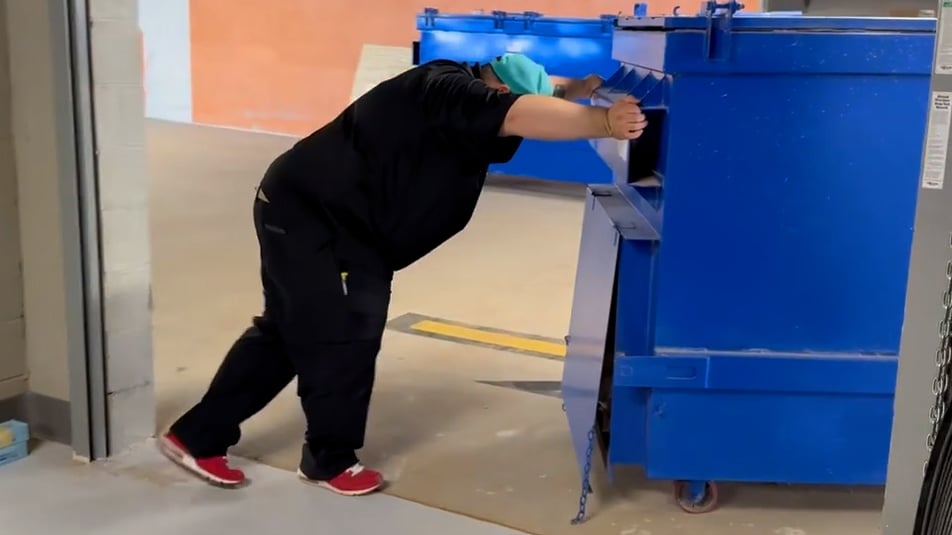
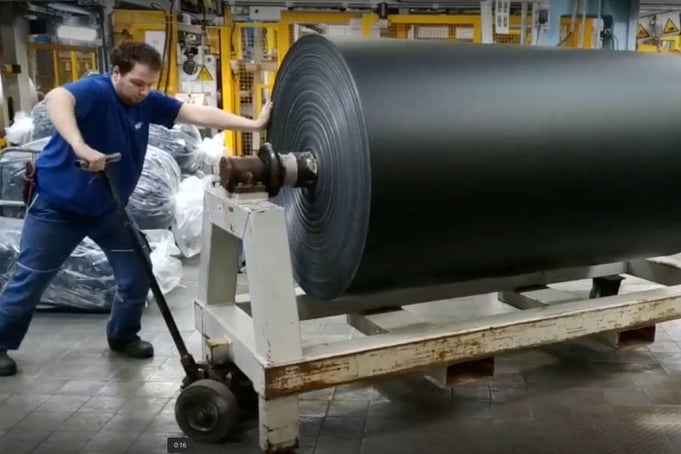
Manual handling is often associated with lifting tasks; it's important to recognise that manually pushing and pulling heavy-wheeled loads can also pose a considerable risk of injury. The presence of wheels on a load doesn't mean it can or should be moved manually.
4. Workplace injury – global statistics
Manual handling injuries are a significant issue globally and across a diverse range of industries.
Manual handling injuries account for over a third of all workplace injuries in the UK and it’s estimated that around 7.8 million working days are lost each year as a result of musculoskeletal disorders (MSDs) – often caused by manual handling tasks.
In the UK it costs businesses a significant amount of money to deal with the aftermath of these injuries, including sick pay, legal costs, and lost productivity. Compensation costs for severe back injuries can be as much as £196,450 in the UK.
UK
lost working days each year
Germany
in lost production from MSDs
Singapore
of occupational diseases are MSDs
Australia
estimated economic cost of manual handling injuries
France
average absence for work related back pain
USA
average settlement for a back injury at work
Manual handling statistics
USA
In the US, direct healthcare costs for lower back pain are estimated to be between $50 billion to $90.7 billion annually. Research from Liberty Mutual shows that compensation for manual handling injuries from pushing, pulling, lifting and holding loads costs employers $13.4 billion every year, while the average settlement for work-related back injuries is $23,600.
Europe
The situation is similar in France and Germany. In Germany, industry-focused data shows that the manufacturing sector suffers the greatest financial impact of musculoskeletal disorders with reportedly €6.45 billion in lost production and €10.63 billion in lost gross added value. Likewise, MSDs account for the largest proportion of sick days in Germany, accounting for 29.8%. One in two workplace accidents are a result of manual handling in France, while 86% of occupational diseases are types of musculoskeletal disorders.
Asia
Further afield, manual handling injuries are also an issue, with MSDs accounting for 60% of occupational diseases in Singapore, prompting a significant focus on improving workplace safety. In Australia, it's estimated that manual handling injuries cost the economy $28 billion each year, with manual handling accounting for 45% of all workplace injuries.
5. Manual handling risk assessment & techniques
When assessing manual handling tasks, the following steps should be followed:
- Avoid manually moving loads where possible
- Assess the risks associated with any handling task
- Reduce the risks as much as possible by using mechanical equipment, altering the task, or distributing the weight of the load evenly.
- Provide suitable training to employees on safe handling techniques.

Manual handling techniques
There are many manual handling techniques that employees can use to reduce the likelihood of injury:
Lift with your legs, not your back
Keep the load close to your body
Maintain good posture
Take breaks when necessary
Your guide to tackling manual handling
Manual Handling
Explore our comprehensive manual handling resource hub—expertly curated materials designed to enhance workplace safety. Elevate your knowledge and empower your team to prevent injuries, making your workplace safer and more efficient.
6. Manual Handling Operations Regulations (MHOR) 1992
The Manual Handling Operations Regulations (MHOR) 1992 are the core UK legislation governing manual handling at work, sitting alongside the broader duty of care set out in the Health and Safety at Work Act 1974. MHOR places clear, distinct duties on both employers and employees.
What are the responsibilities of employers?
Employer duties
-
Avoid hazardous manual handling operations so far as is reasonably practicable
- Assess the risk of any manual handling process that can't be avoided - considering the task, load, environment, and individual capability.
- Reduce the risk of injury to the lowest possible level with mechanical aids, task redesign, and team training.
- Review assessments regularly
What are the responsibilities of employees?
Employee duties
-
Take reasonable care of their own health and safety, and that of others affected by their actions.
- Use any equipment or systems of work provided by their employer correctly.
- Report any manual handling hazards and near-misses.
The MHOR risk reduction hierarchy
MHOR sets out a clear order of priority for tackling manual handling risk; this serves as risk management which differs from the lifting technique principles we set out later in this guide, and should be worked through in order rather than jumping straight to training.
The Health and Safety at Work Act 1974
The Health and Safety at Work Act 1974 dictates that employers must protect the health and safety of employees at work. The act also requires that employees adhere to health and safety guidelines and processes.
7. Five key principles for safely moving loads manually
It is not always possible to avoid manually moving loads, but you should avoid hazardous manual handling tasks that exceed employees abilities or weight limits.
To minimise the risk of handling injuries, following these 5 key principles can help improve safety when assessing the risk of moving loads by hand.
-

Plan
Check for obstacles before starting a movement and assess if the movement is feasible.
-

Position
Establish good posture and keep your body stable and centred.
-

Pick
Keep loads close to your body for maximum stability
-

Proceed
Make the movement smooth, keeping your head and spine straight.
-

Place
Slowly finish the movement in a smooth motion.
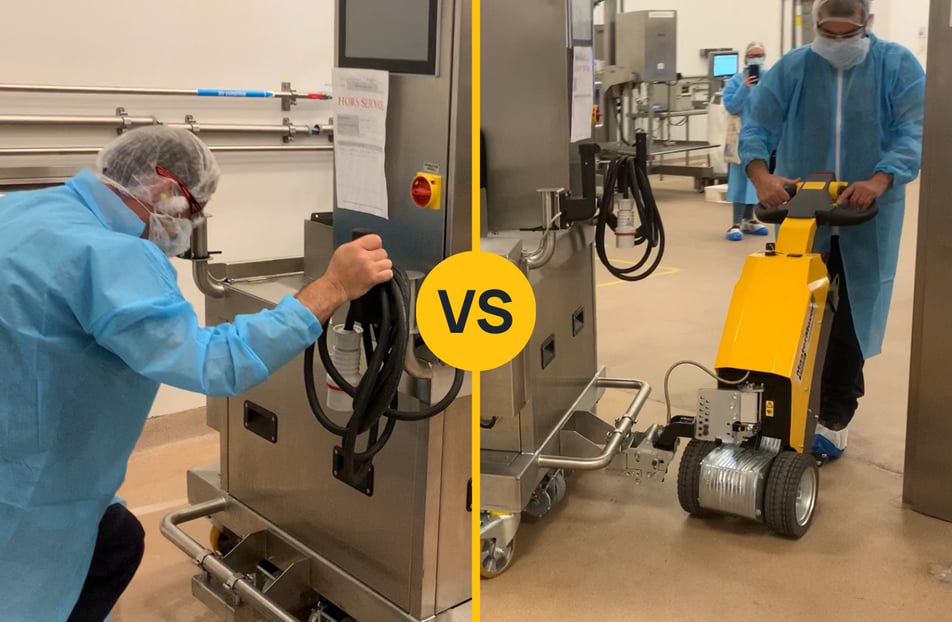
8. How to reduce the risk of injury and manual handling hazards
Manual handling injuries are a serious issue that can cause significant harm to employees and businesses. However, by following the principles of safe manual handling, using the correct techniques and utilising the appropriate mechanical aids, you can significantly reduce the risk of injury.
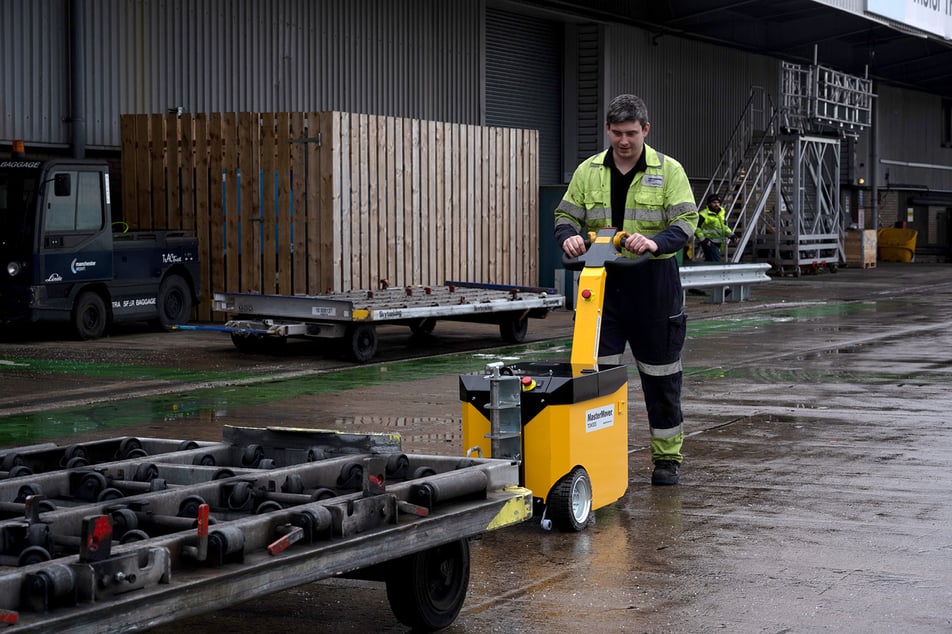
Manual handling solutions: electric tugs
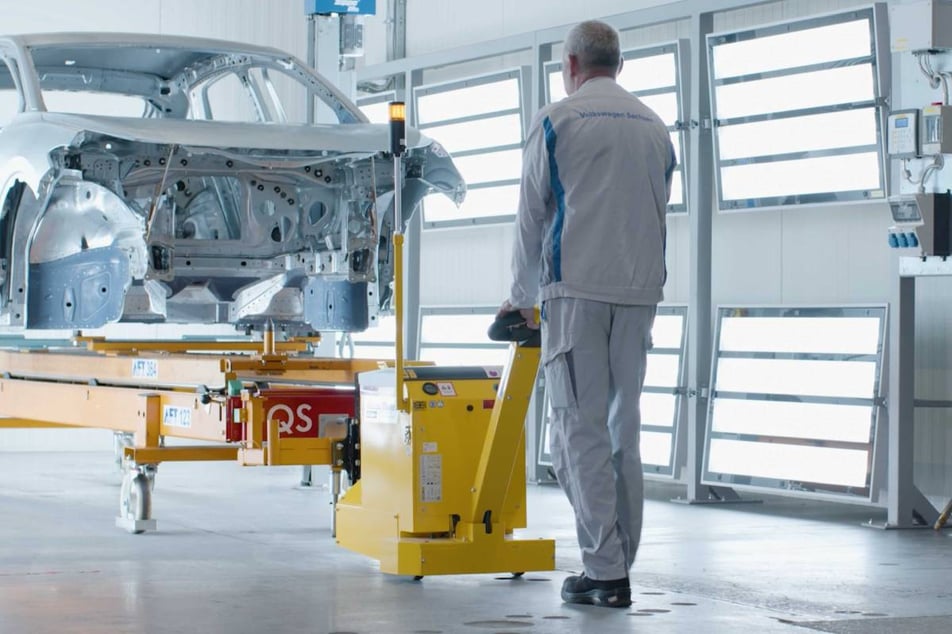
Electric tugs are a type of material handling equipment designed to move heavy-wheeled loads. Allowing the effortless movement of loads, electric tugs are the ideal manual handling solution, improving safety and driving workplace efficiency. A single operator can safely move heavy loads from 50kg to over 30,000kg, without any physical effort.
How powered equipment eliminates manual handling risk
The most effective way to satisfy an employer's MHOR duty to avoid hazardous handling is to remove the manual handling element altogether.
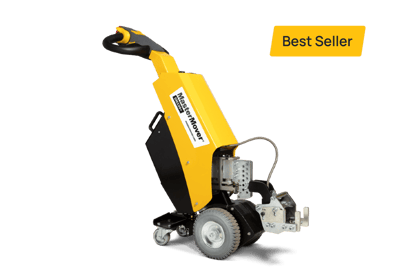
MasterMover electric tugs are a pedestrian-operated, battery-powered alternative to pushing and pulling heavy loads - the operator simply guides the tug, and the machine takes on the physical load.
SmartMover
Up to 2,000 kg
Compact but powerful, the SmartMover is the ideal manual handling solution – trusted to improve safety across industries.
MasterTow
Up to 20,000 kg
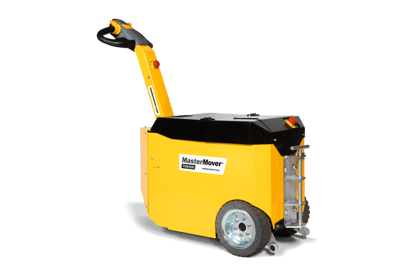
Drive safety and efficiency with our powerful electric tow tugs, designed to safely move loads of up to 20,000kg.
MasterTug
Up to 20,000 kg
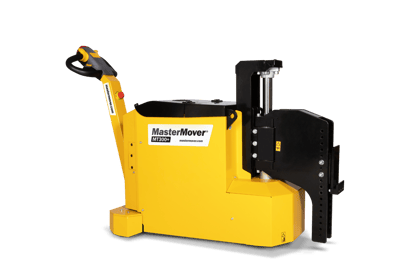
The MasterTug range allows a single pedestrian operator to easily push, pull and steer wheeled loads weighing up to 20,000kg.
Download your manual handling injury checklist
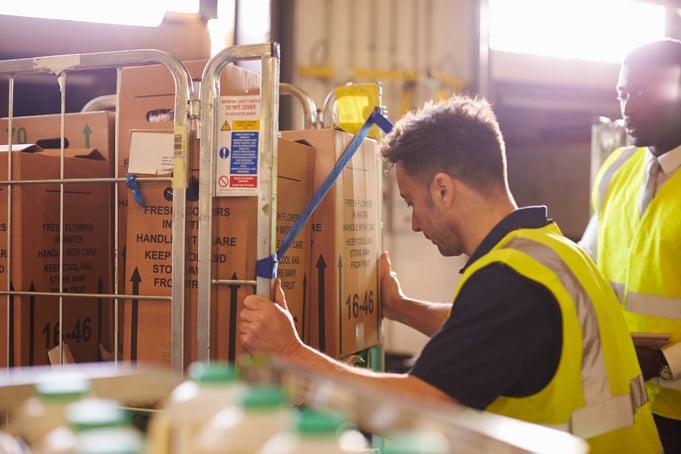
We’ve created an easy-to-use checklist to help you quickly assess handling processes and identify the next steps in reducing the risk of manual handling injuries.
What’s inside…
- Everything you need to know about manual handling risks
- Risk assessment checklist for your place of work
- Common questions to ask when sourcing material handling equipment
FAQs: Your questions, answered
Manual handling covers any transporting or supporting of a load by hand or bodily force: lifting, lowering, pushing, pulling, and carrying. It applies to objects and covers single lifts as well as repetitive or ongoing handling tasks across a shift.
The employer holds primary legal responsibility under MHOR 1992 to avoid, assess, and reduce manual handling risk. Employees also have a duty to use provided equipment correctly and report hazards, but the assessment and risk-reduction obligation sits with the employer, not the individual doing the lifting.
Only employees who carry out manual handling tasks that present a risk of injury need training, but in practice this covers most operational roles in manufacturing, logistics, retail, and healthcare. HSE guidance ties training to task risk, so it's the risk assessment that determines who needs it.
Manual handling relies on human effort to lift, push, or pull by hand or body. Mechanical handling uses equipment such as forklifts, cranes, or electric tugs to move the load instead. Introducing mechanical handling for a task is the clearest way to satisfy an employer's duty to avoid hazardous manual handling under MHOR.
MHOR requires assessments to be reviewed whenever circumstances change, such as a new load, task, layout, or workforce, and periodically even where nothing obvious has changed, since risk factors like repetition or fatigue can shift over time.
Construction, manufacturing, transport and storage, warehousing, and healthcare consistently record higher rates of manual handling-related musculoskeletal disorders than the UK average, driven by frequent lifting, awkward postures and repetitive tasks (HSE, 2024/25). Retail and logistics also carry high exposure through roll cage and stock handling.
Where powered equipment like an electric tug fully replaces the manual element of a task, that specific handling operation is no longer manual handling under MHOR, satisfying the employer's duty to avoid it rather than just reduce its risk. A wider workplace assessment is still good practice, but the eliminated task itself no longer needs one.
Related articles
Continue reading
How to Eliminate the Risk of Musculoskeletal Disorders