United Kingdom
 Deutschland
 France
 Belgium
 Bulgaria
 Česká Republika
 Croatia
 Denmark
 España
 Finland
 Greece
 Hungary
 Iceland
 Ireland
 Italia
 Kazakhstan
 Latvia
 Lithuania
 Luxembourg
 Malta
Malta
 Nederland
 Norway
 Österreich
 Polska
 Portugal
 Romania
 Schweiz
 Slovakia
 Slovenia
 Sweden
 United States
 Canada
 Argentina
 Brasil
 Chile
Chile
 Colombia
 Costa Rica
 Cuba
Cuba
 Dominican Republic
 Ecuador
 El Salvador
 Guatemala
 Jamaica
 México
.svg.png?width=24&name=Flag_of_Peru_(state).svg.png) Peru
Peru
 Trinidad and Tobago
.png?width=24&name=Flag_of_Uruguay_(1828-1830).png) Uruguay
Uruguay
 Australia
 中国
中国
 中国香港
中国香港
 India
India
 Indonesia
 日本
日本
 대한민국
대한민국
 Malaysia
 New Zealand
 Pakistan
 Philippines
 Qatar
Qatar
 Saudi Arabia
 Singapore
 Taiwan
 Thailand
 Türkiye
 UAE
UAE
 Vietnam
 Algeria
 Egypt
Egypt
 Kenya
Kenya
 Mauritius
 Morocco
 South Africa
 Tunisia

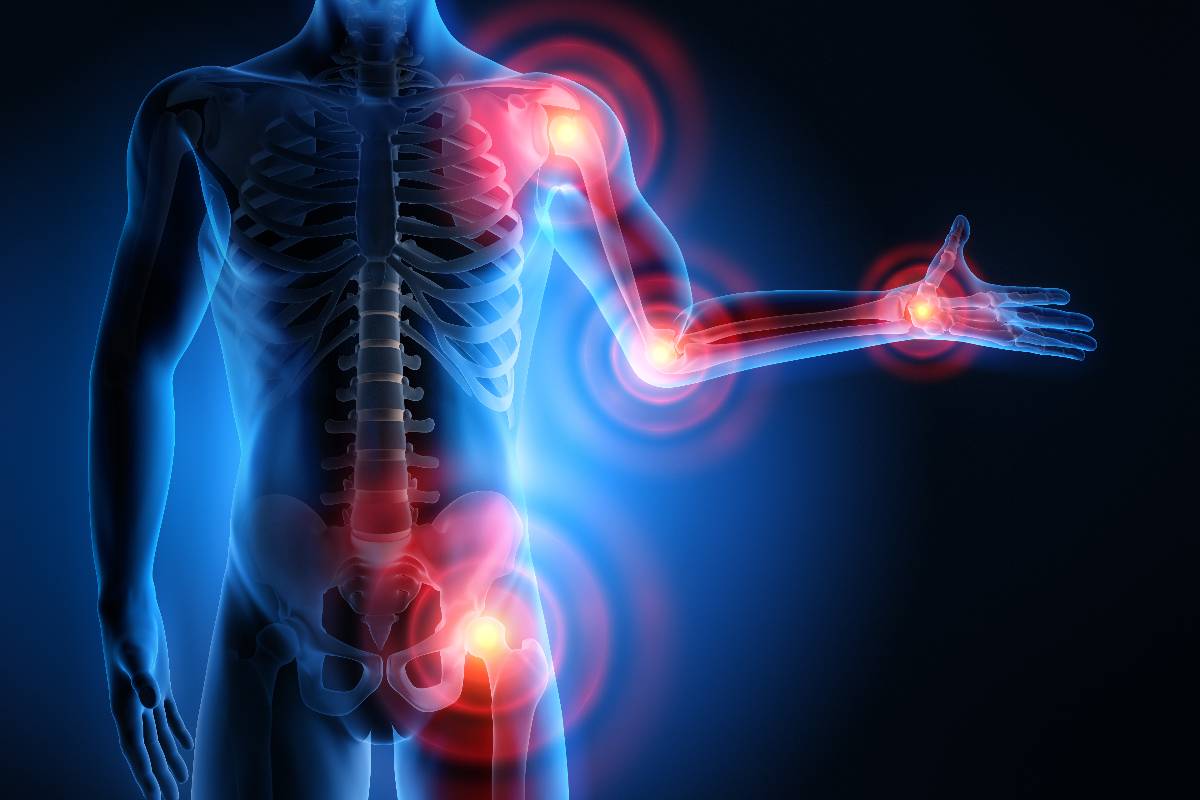

1) 543,000 workers suffering from work-related musculoskeletal disorder
Musculoskeletal disorders (MSDs) typically impact the back, shoulders, upper limbs and neck. Injuries can be caused by a range of activities, from lifting to manually manipulating heavy-wheeled loads. MSDs are often caused by repetitive tasks or processes which result in overexertion and fatigue.
Source: HSE, 2025.
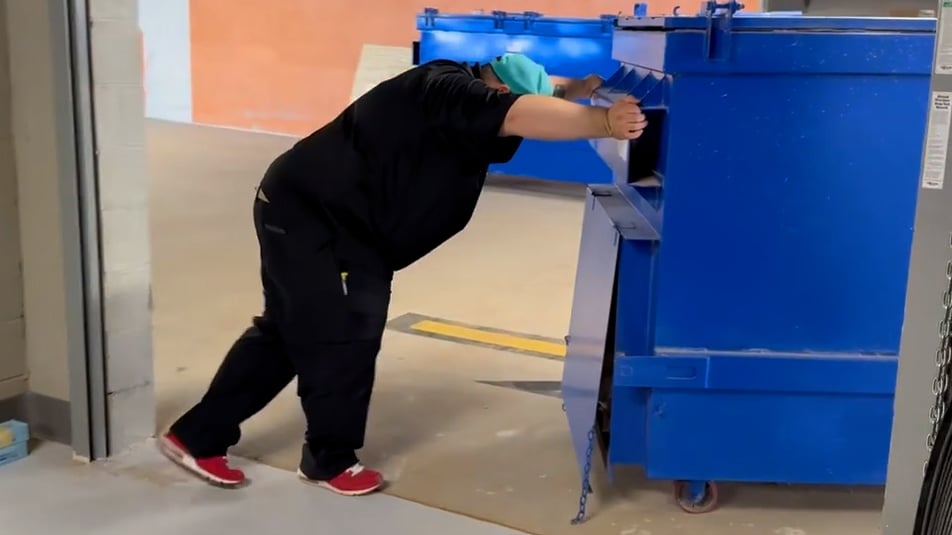
4) 43% of MSD cases affect the back (the single largest category)
Back conditions remain the most common MSD outcome, ahead of upper limb and neck disorders (41%) and lower limb disorders (around 15%). Back-related conditions also account for a disproportionate 41% of MSD-related working days lost, reflecting their severity and tendency to recur.
MasterMover field cases support this. Awkward pushing, pulling, and steering of heavy loads often cause back strain; this strain gets worse when workers are expected to handle loads on slopes
Source: HSE, 2025.
7) Compensation for manual handling back injuries can exceed £190k
Where an employer is found liable for a manual handling injury — commonly through a breach of MHOR risk assessment duties — compensation for the most severe back injuries can run into six figures. This isn't an HSE figure; it reflects the Judicial College Guidelines, the reference tables UK courts use to value personal injury claims, and actual awards vary by case.
At MasterMover, we've seen firsthand how proactive investment in tools and equipment such as electric tugs successfully works as a preventative approach, rather than reacting once an injury has already happened and facing additonal compensation costs.
Source: Cited via UK Law, referencing the Judicial College Guidelines, 18th edition (2026).