 United Kingdom
 Deutschland
 France
 Belgium
 Bulgaria
 Česká Republika
 Croatia
 Denmark
 España
 Finland
 Greece
 Hungary
 Iceland
 Ireland
 Italia
 Kazakhstan
 Latvia
 Lithuania
 Luxembourg
 Malta
 Nederland
 Norway
 Österreich
 Polska
 Portugal
 Romania
 Schweiz
 Slovakia
 Slovenia
 Sweden
 United States
 Canada
 Argentina
 Brasil
 Chile
 Colombia
 Costa Rica
 Cuba
 Dominican Republic
 Ecuador
 El Salvador
 Guatemala
 Jamaica
 México
 Peru
 Trinidad and Tobago
 Uruguay
 Australia
 中国
 中国香港
 India
 Indonesia
 日本
 대한민국
 Malaysia
 New Zealand
 Pakistan
 Philippines
 Qatar
 Saudi Arabia
 Singapore
 Taiwan
 Thailand
 Türkiye
 UAE
 Vietnam
 Algeria
 Egypt
 Kenya
 Mauritius
 Morocco
 South Africa
 Tunisia

What is material handling?
Material handling is the movement and control of materials, equipment, and products throughout manufacturing, warehousing, distribution, and waste. It covers everything from manual lifting and pushing to forklifts, cranes, and automated systems.
What is material handling equipment?
Material handling equipment (MHE) covers a range of machines and systems used to move materials from one place to another or facilitate safe storage.
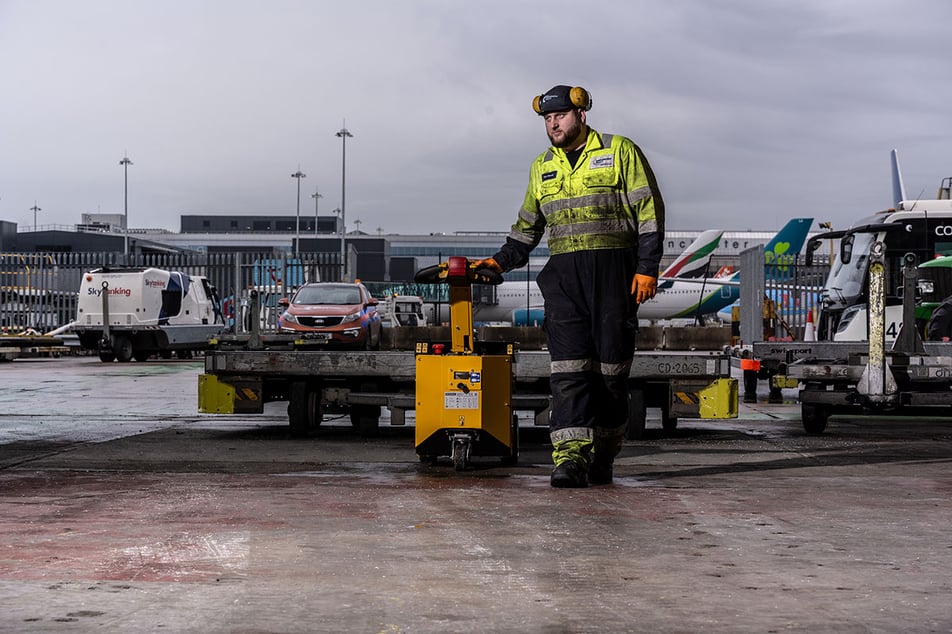
It includes equipment for storing, transporting, and managing materials and products throughout production processes. For moving heavy wheeled loads, electric tugs are a safer alternative to manual handling and forklifts.
1. Storage & handling equipment
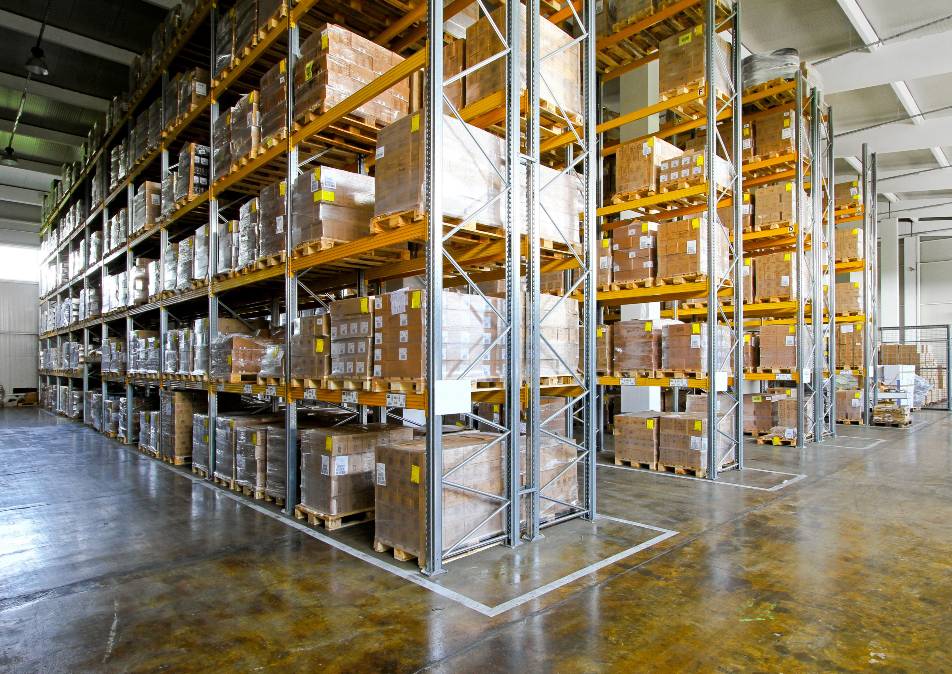
The simplest type of material handling devices is often that which is used in the storage of materials and equipment.
Storage equipment includes mezzanines, storage racks, bins, shelving and stacking frames. Storage and handling equipment ensure materials remain organised and safely stored.
2. Bulk material handling equipment
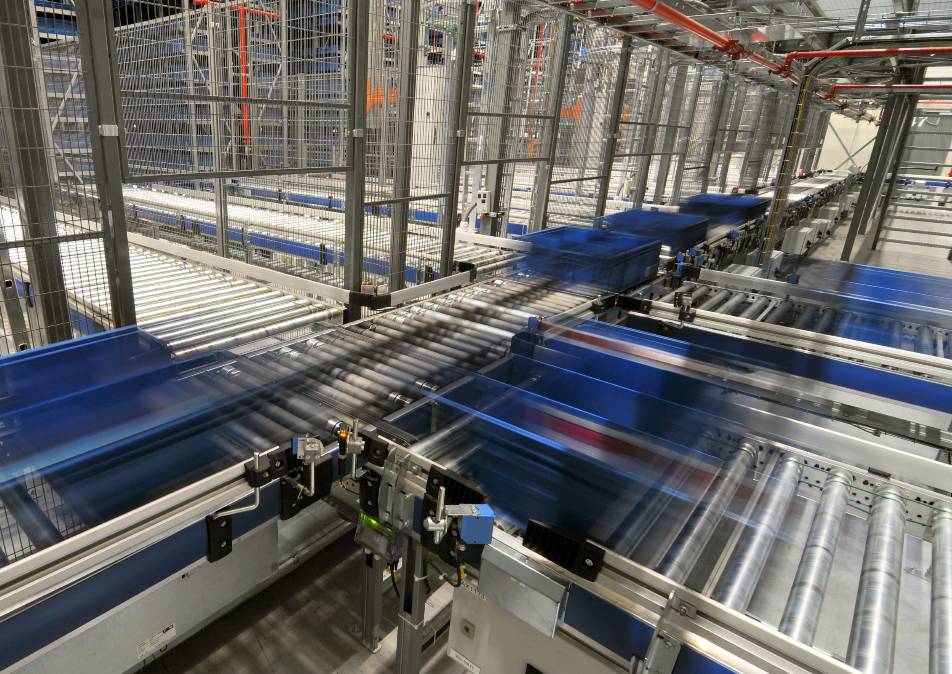
Bulk material handling equipment is specifically designed to transport loose bulk materials and is often used to move materials within food and chemical production.
This covers handling equipment including hoppers, reclaimers and conveyor belt systems.
Forklifts
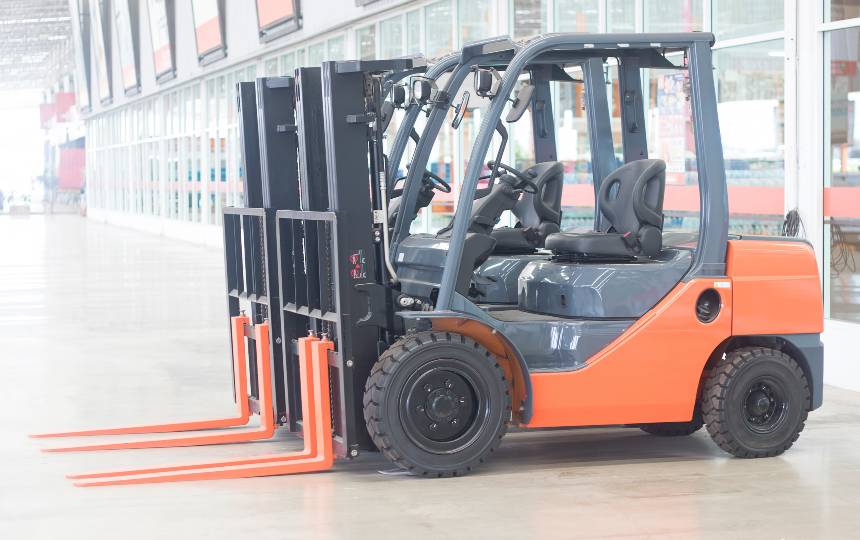
A forklift truck is the most recognisable industrial lift truck for most people. This industrial truck features forks at the front that can be raised or lowered to lift loads such as pallets or crates.
Forklifts are used in many industries to transport goods and materials and are available as battery-powered units or as diesel powered, using an internal combustion engine design. Diesel forklifts are often used in industries like heavy plant manufacturing, where loads are particularly heavy.
Towing tractors
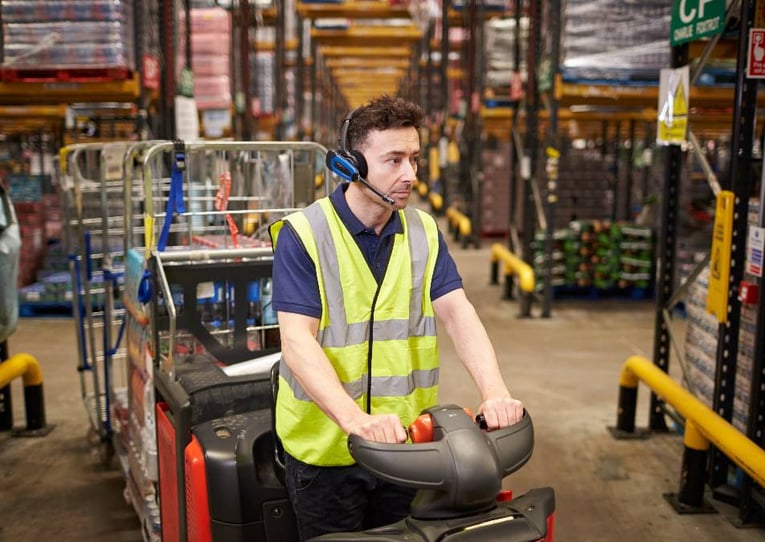
Towing tractors are vehicles designed for towing wheeled loads such as carts or dollies. Typically, they feature steering controls and pin coupling and are used to tow loads weighing up to 6,000kg in factories and warehouses – though higher towing capacity machines exist. Towing tractors are common place in industries such as automotive, logistics and manufacturing.
Hand truck
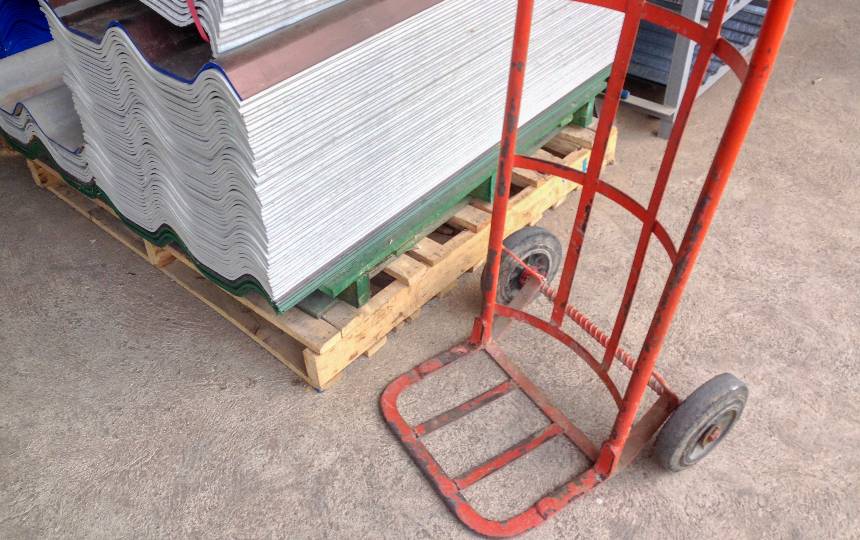
A hand truck, or sack truck, is a simple, L-shaped device used to move loads by hand.
Pallet truck
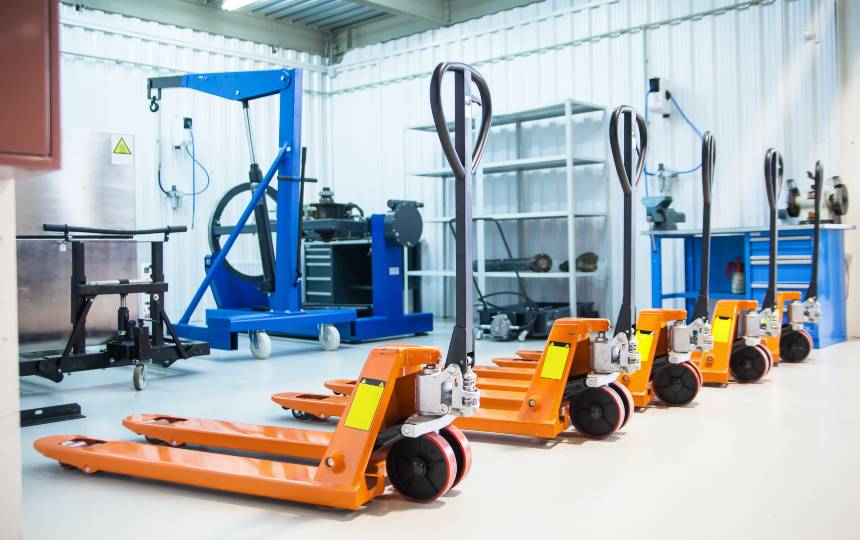
Also known as a pallet jacks, pump trucks or pallet trucks are designed to lift and move pallets.
They are available as either manual pallet trucks or electric pallet trucks.
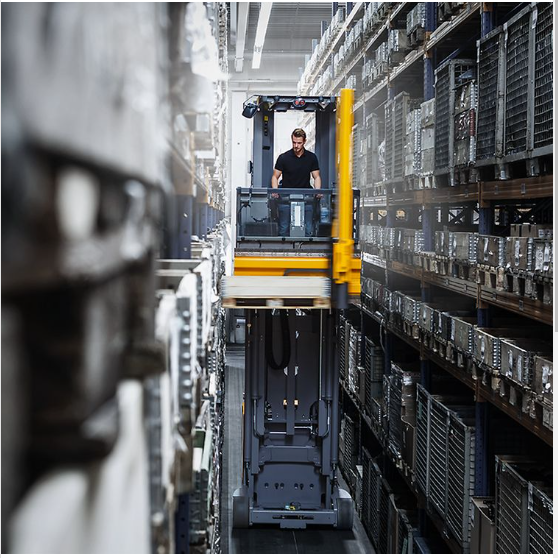
VNA truck
Very narrow aisle trucks (sometimes known as turret trucks) are designed to lift pallets in tight warehouse environments.
Electric tow tugs
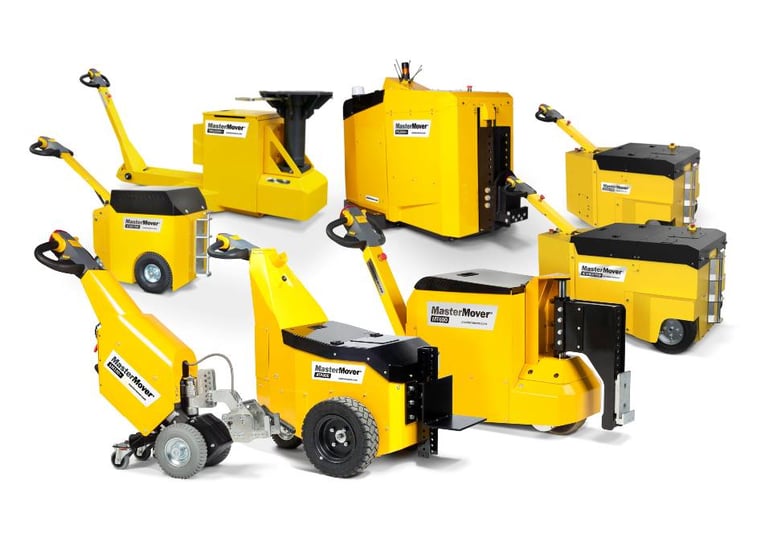
Also known as electric tugs and electric tows, are battery-powered machines specifically designed to move heavy-wheeled loads within industrial environments.
Electric tow tugs are a crucial type of material handling equipment relied on by businesses to reduce manual handling or as a safer alternative to forklifts.
Cranes
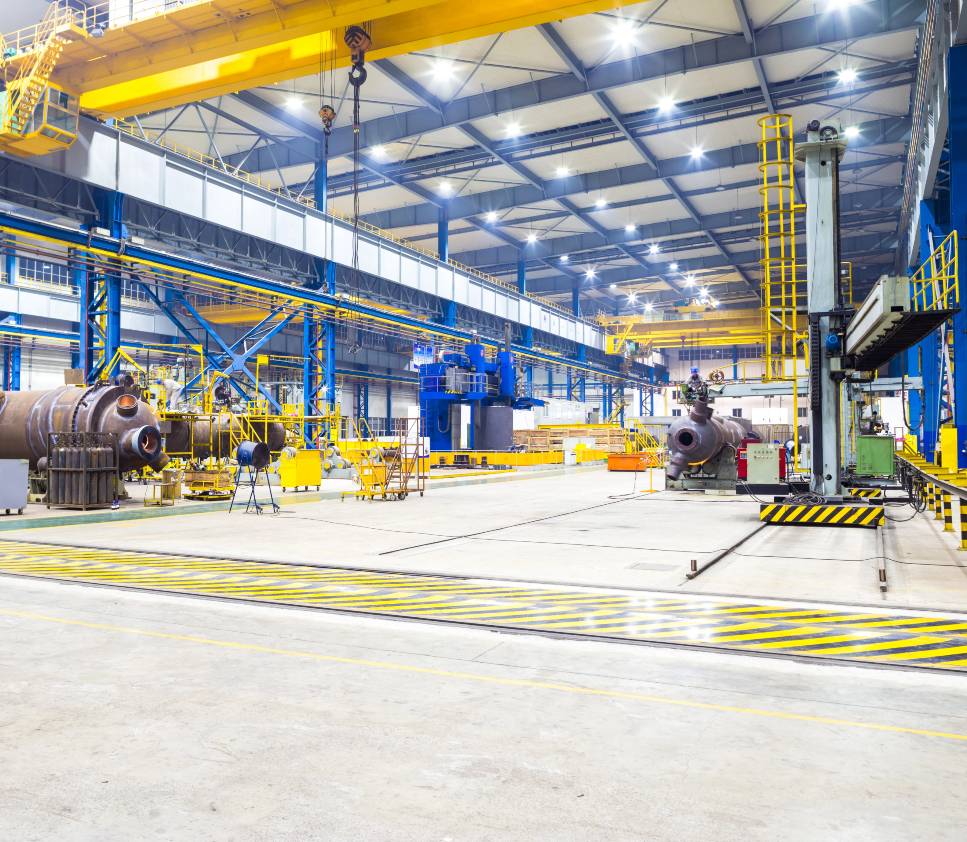
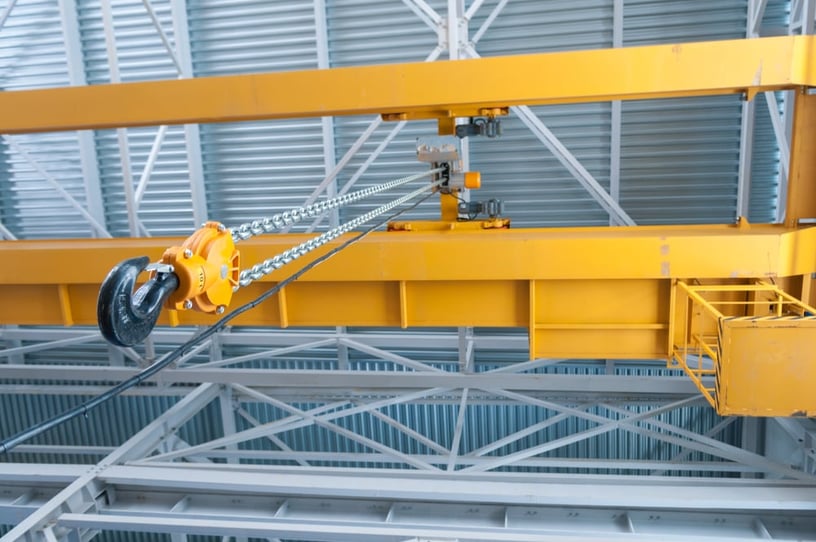
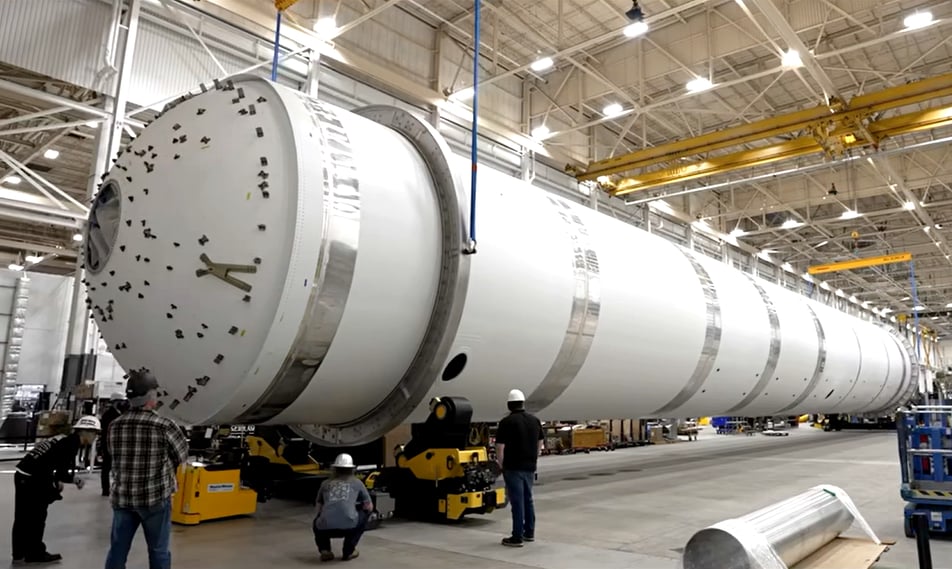
Cranes are heavy-duty solutions that lift large and heavy materials, typically within factory environments. They’re predominantly designed for tasks that involve lifting materials to different heights and positions.
Choosing the right handling equipment
Each environment and application is distinct, and as a result, there is a wide range of material handling equipment available. The specific processes, environment, and application you have will determine the most suitable type of material handling equipment for your needs.
If you want to lift heavy, palletised components weighing over 6,000kg onto shelving, a forklift may be a better solution than a pallet truck. While an electric pallet truck may be a better option to move 500kg pallets in a small warehouse.
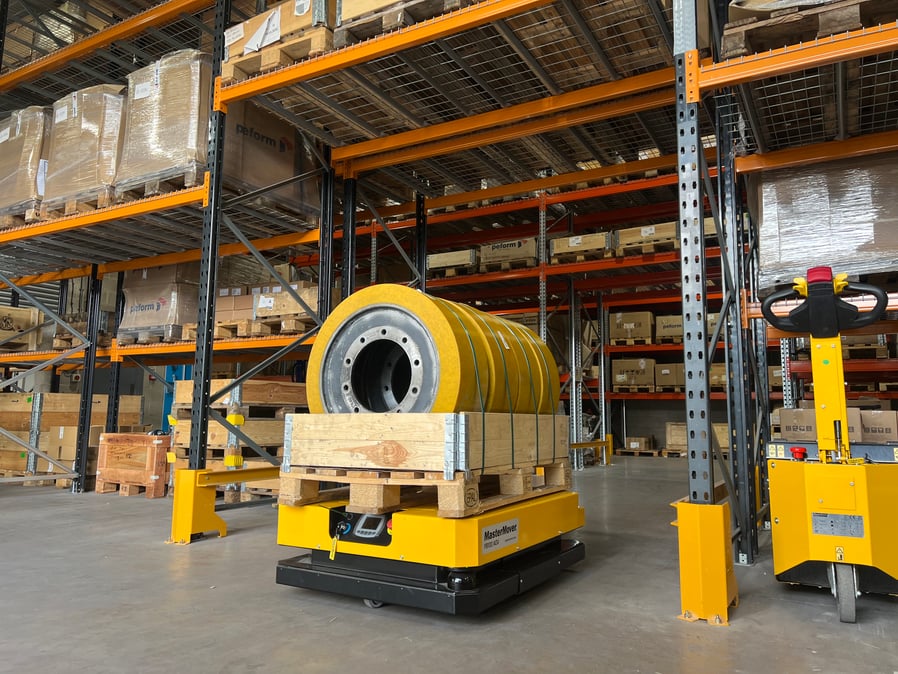
What material handling solutions are used in warehouses?
Most warehouses combine racking and shelving for storage, pallet trucks and forklifts for palletised goods, conveyors for parcels, and roll cages, trolleys and tugger trains for picking and replenishment. As throughput grows, many operations add electric tugs or AGVs to move wheeled loads such as roll cages, so staff no longer push and pull heavy loads by hand. See how electric tugs are used in logistics and warehousing.
Material handling and lifting equipment is typically designed around a specific operation. So, while forklifts and pallet trucks are designed to lift pallets, you wouldn’t use them to move wheeled loads. In this instance, an electric tug, a machine specifically designed for this application, would be the correct option.
Each type of material handling equipment is suited to specific applications and selecting the correct tool for the job is crucial.
Whether you’re looking for storage equipment, material lifts, manual handling equipment or advanced engineered systems to transport loads, the market boasts an expansive range of material handling solutions.
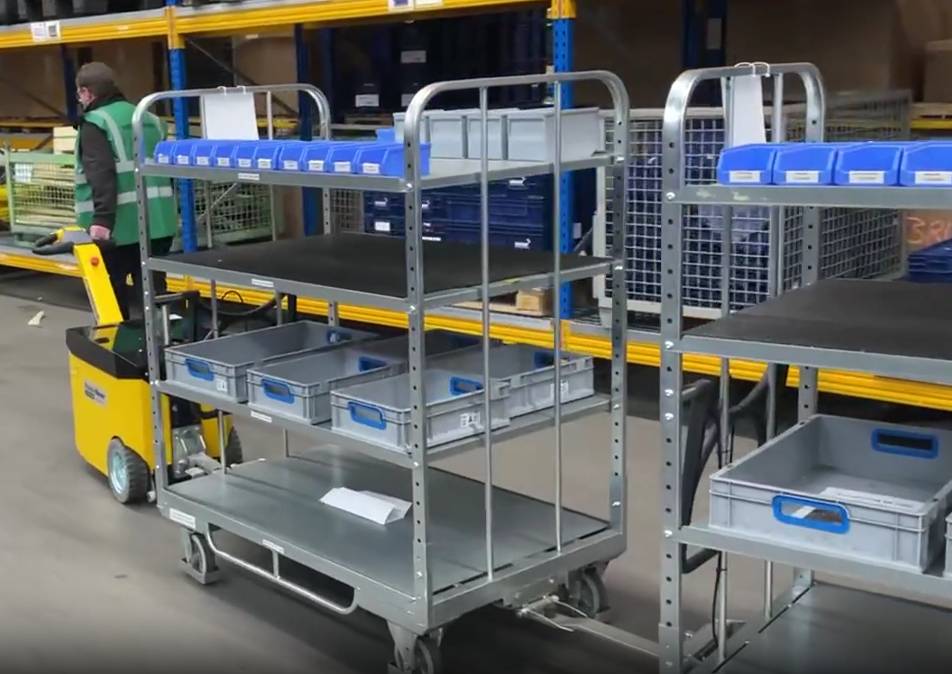
What are tugger trains?
Tugger trains, commonly known as tugger carts, represent a modern approach to efficiently manage materials in industrial settings like factories and warehouses. Essentially, they employ a motorised vehicle like an electric tug (referred to as the tugger) or a tow tractor to pull a set of carts or trailers equipped with castors, each of them carrying materials, components, or products.
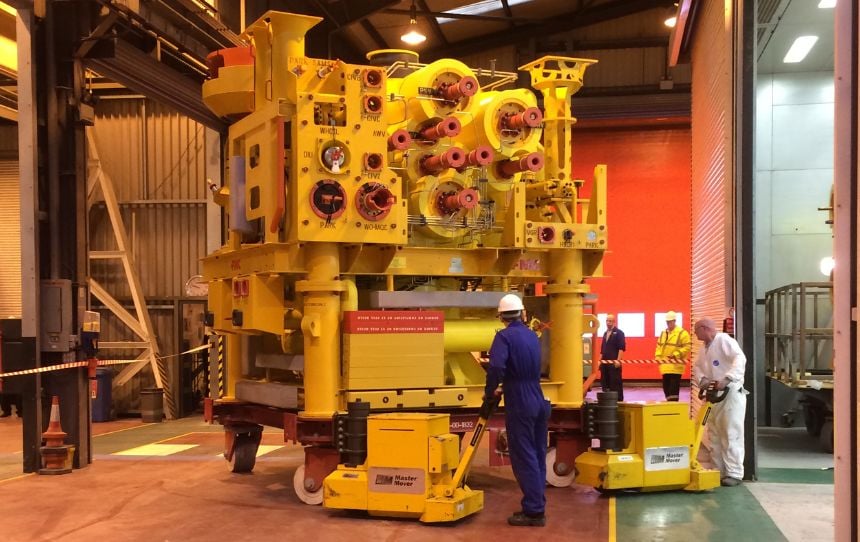
When is an electric tug the right material handling solution?
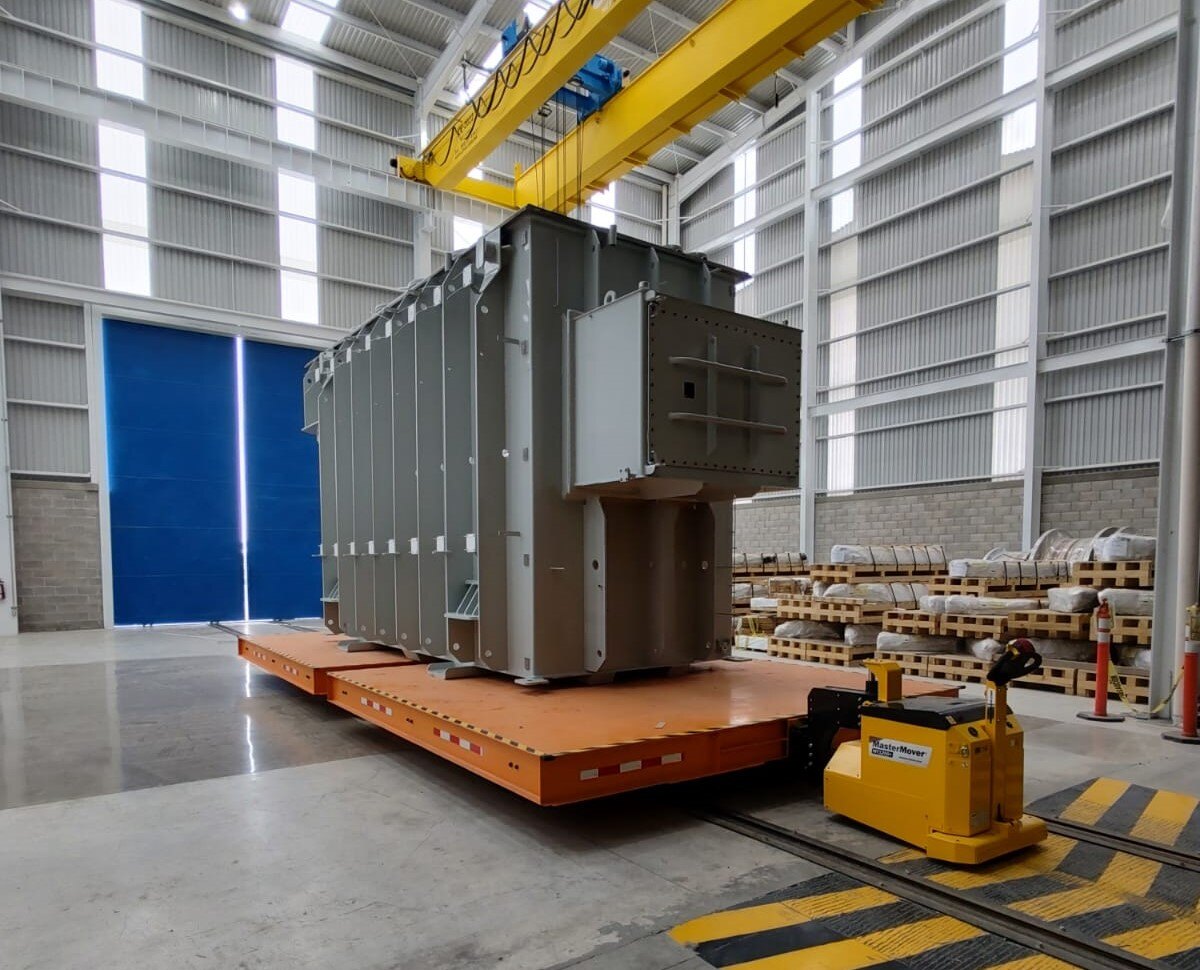
An electric tug is the ideal solution when a load is on wheels, or can be put on wheels, and needs to be moved rather than lifted; such as pushing heavy trolleys, waiting for a forklift or crane to become free, or struggling to manoeuvre large loads through tight spaces.
Heavy material handling equipment such as electric tugs keep wheeled loads safely on the ground during movement whilst ensuring precision control for a single operator who doesn't need a licence.

Moving heavy wheeled loads such as trolleys, roll cages, carts, platforms, or trailers.
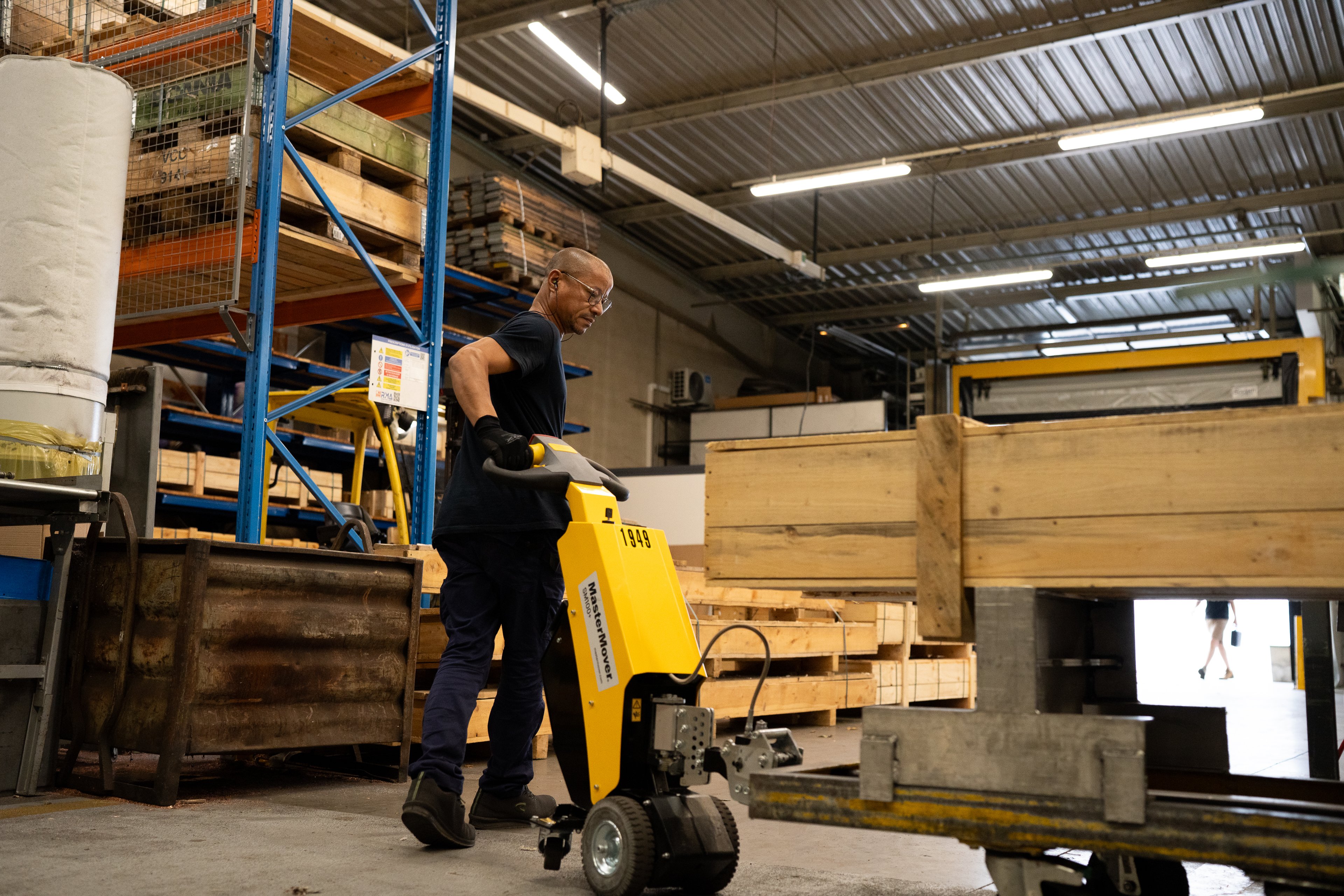
Removing manual handling from pushing and pulling tasks that put strain on your staff.
Reducing reliance on forklift trucks or overhead cranes to prevent bottlenecks.

Manoeuvring in tight or congested spaces where precision control is key.
What are the 10 principles of material handling?
The 10 principles of material handling are: planning, standardisation, work, ergonomics, unit load, space utilisation, system, environment, automation, and life cycle cost. Together they help businesses improve productivity and safety while reducing costs and waste.
To achieve this, there are ten principles of material handling that everyone involved in the process should follow, whether reviewing existing methods or looking at new processes.
-

Planning
Identifying what needs to be moved and how.
-

Standardisation
Understanding how or if processes can be standardised.
-

Work
This involves minimising human effort and physical involvement.
-

Ergonomics
Assessing tasks to minimise physical strain and fatigue.
-

Unit Load
Can materials or loads be consolidated into a single load?
-

Space Utilisation
Maximising the use of available space for handling and storage.
-

System
Are systems coordinated? Can they be improved?
-

Environment
What is the impact of material handling processes on the environment?
-

Automation
Can technology be used to automate processes?
-

Life Cycle Cost
Involves understanding the entire cost of material handling processes, including initial investment, spare parts and maintenance, staff costs and uptime.


