United Kingdom
 Deutschland
 France
 Belgium
 Bulgaria
 Česká Republika
 Croatia
 Denmark
 España
 Finland
 Greece
 Hungary
 Iceland
 Ireland
 Italia
 Kazakhstan
 Latvia
 Lithuania
 Luxembourg
 Malta
Malta
 Nederland
 Norway
 Österreich
 Polska
 Portugal
 Romania
 Schweiz
 Slovakia
 Slovenia
 Sweden
 United States
 Canada
 Argentina
 Brasil
 Chile
Chile
 Colombia
 Costa Rica
 Cuba
Cuba
 Dominican Republic
 Ecuador
 El Salvador
 Guatemala
 Jamaica
 México
.svg.png?width=24&name=Flag_of_Peru_(state).svg.png) Peru
Peru
 Trinidad and Tobago
.png?width=24&name=Flag_of_Uruguay_(1828-1830).png) Uruguay
Uruguay
 Australia
 中国
中国
 中国香港
中国香港
 India
India
 Indonesia
 日本
日本
 대한민국
대한민국
 Malaysia
 New Zealand
 Pakistan
 Philippines
 Qatar
Qatar
 Saudi Arabia
 Singapore
 Taiwan
 Thailand
 Türkiye
 UAE
UAE
 Vietnam
 Algeria
 Egypt
Egypt
 Kenya
Kenya
 Mauritius
 Morocco
 South Africa
 Tunisia

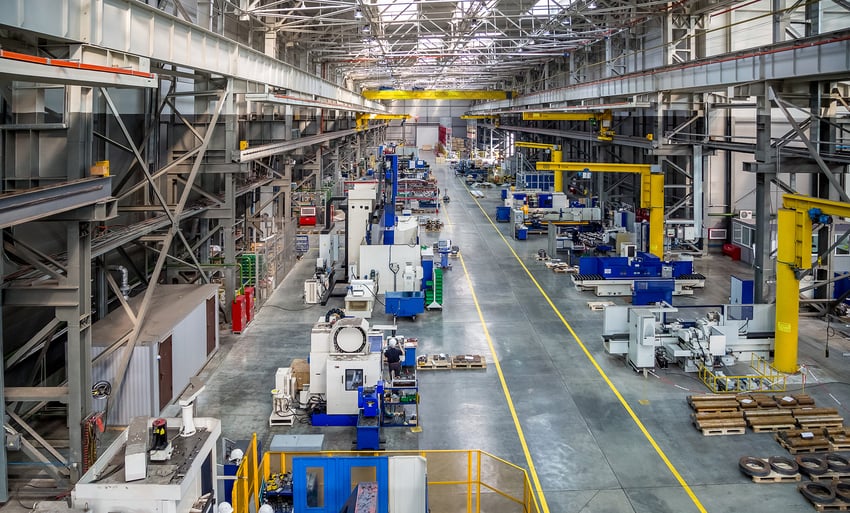
The latest S&P Global UK Manufacturing PMI for November 2025 has crept back into expansion territory at 50.2 – its highest level in 14 months and the first reading above 50 since September 2024.
A small move yes, but edging over the 50.0 line matters; could this be the turning point the UK manufacturing sector has been waiting for?
UK manufacturing PMI at 50.2
The S&P Global UK Manufacturing Purchasing Managers’ Index (PMI) rose from 49.7 in October to 50.2 in November 2025. This means that the index is now above the neutral 50.0 mark, separating contraction from expansion and marking the strongest reading for 14 months.
Whilst the November figure signals a modest turning point, it remains significant nonetheless. Output and supplier delivery times were consistent with improving conditions, while employment and stocks of purchases still pointed to contraction. In short, conditions have improved but recovery remains fragile.
Output rises but growth is patchy
Manufacturing output rose for the second month in a row by November, breaking the stretch of extended weakness since 2023; however, this increase is slight and highly concentrated.
The upturn heavily rests on investment goods: machinery, equipment, and other capital items that businesses buy to expand capacity or boost productivity – aligned with the first signs of renewed capital spending, including automation and AI-related infrastructure.
Consumer goods producers, on the other hand, are still seeing falling output in line with weakened demand and ongoing cost-of-living pressures. Intermediate goods manufacturers (suppliers of components and materials to other businesses) also reported contraction, showing that this increase has not been felt further down the supply chain.
Company size is proving to be a big factor. Large manufacturers reported rising production while SMEs saw renewed downturns, indicating we’re looking at a dual-speed sector where bigger firms with stronger export reach are recovering faster than smaller suppliers.
Domestic resilience vs weak exports
A major positive from the November data is that the 13-month period of declining new orders has finally reached an end. New business volumes have stabilised over the month, aided by stronger domestic demand as UK customers have started to place orders again after sustained caution.
Exports, however, have continued to drag. New export business has now fallen for 46 consecutive months with weaker orders reported from clients in the US, EU, China, and Brazil. For UK manufacturers, this means the current upturn is powered mainly by the home market rather than a broad global rebound.
This is a pattern we have seen before; domestic demand does the heavy lifting while global manufacturing cycles and trade frictions limit the contribution from other markets.
Pricing pressure eases, competition intensifies
Pricing dynamics are now shifting in favour of customers. Factory gate prices fell in November for the first time in more than two years, even as output ticked higher. At the same time, input cost inflation eased for the third month running with purchasing costs rising at the slowest rate since October 2024.
Manufacturers are pointing to a mixture of influences from tougher competition and customers demanding sharper pricing as well as a strategic push to defend or grow market share. With industrial performance still lacking and cost pressures past their peak, the debate is likely to tilt further away from inflation fears and towards how best to support growth.
Jobs are still being cut
Despite the PMI moving back into expansion, employment in manufacturing fell for the thirteenth consecutive month in November. Firms still seem to be cautious about hiring and continue to place their focus on cost control.
Jobs are being cut in several ways: not replacing leavers, redundancies, and recruitment freezes for full-time, part-time, agency, and temporary staff. Businesses are highlighting the need to contain operating costs, as well continuing to face higher hiring costs linked to the recent hike in National Minimum Wage and employer National Insurance Contributions.
Backlogs of work fell at the fastest rate since April, indicating that many manufacturers still have spare capacity. Even with output rising, workloads are not yet strong enough to justify broader hiring; an atmosphere that typically strengthens business cases for productivity-boosting investment that support rising volume with leaner teams.
Supply chain delays make a comeback
In the face of demand improvement, supply chains remain strained. Average vendor performance has deteriorated to the greatest extent in almost a year, with manufacturers reporting capacity issues at suppliers, raw materials shortages, transport disruption, and port/customs delays – even a slight upturn can expose weaknesses in supply networks when they’re already stretched.
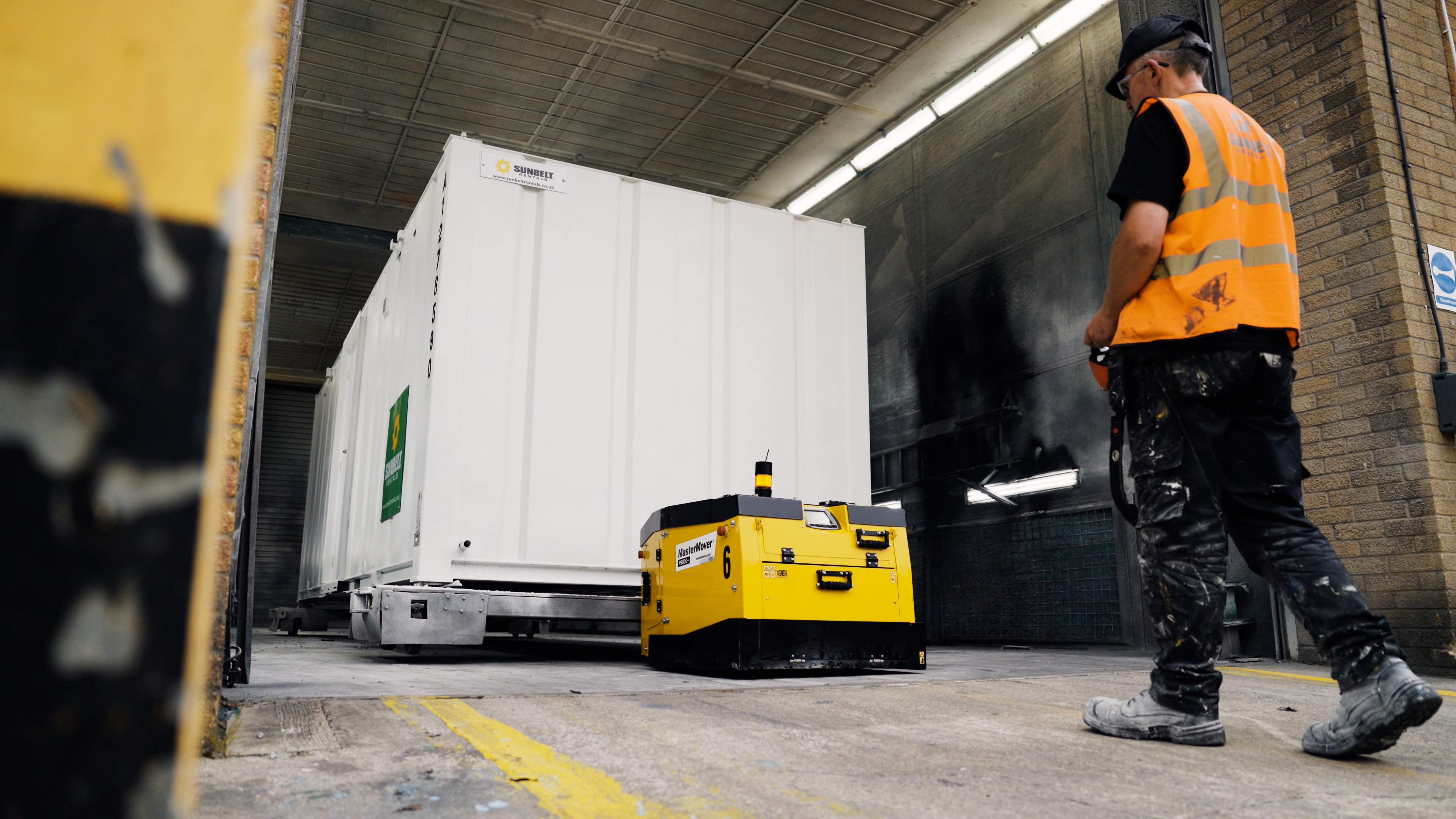
For manufacturers, this is reinforcing the value of resilience; from more flexible sourcing arrangements, better visibility over inbound materials, and internal logistics set-ups that can absorb irregular lead times without interrupting production.
The outlook is cautious optimism
Confidence in the sector is moving in the right direction. Business optimism rose to a nine-month high, with 56% of manufacturers expecting higher output in 12 months’ time and only 11% expecting a decline.
Firms are linking their optimism to signs of market stabilisation, planned company expansions, new product launches, and a rise in client enquiries. Many also expect new technologies (including AI and automation investments) to drive demand and improve competitiveness over the medium term.
Set against this are persistent worries about the direction of UK Government policy, trade frictions and tariffs, elevated costs, and fragile client confidence. The November PMI therefore points to a sector that is moving in the right direction – just from a low base and with plenty of risk still sitting on the horizon.
What this means for UK manufacturers
For manufacturers and industrial buyers, the November PMI means that:
- Now is the time to plan: The sector has moved out of contraction, but only narrowly, so assumptions of a strong upturn would be premature.
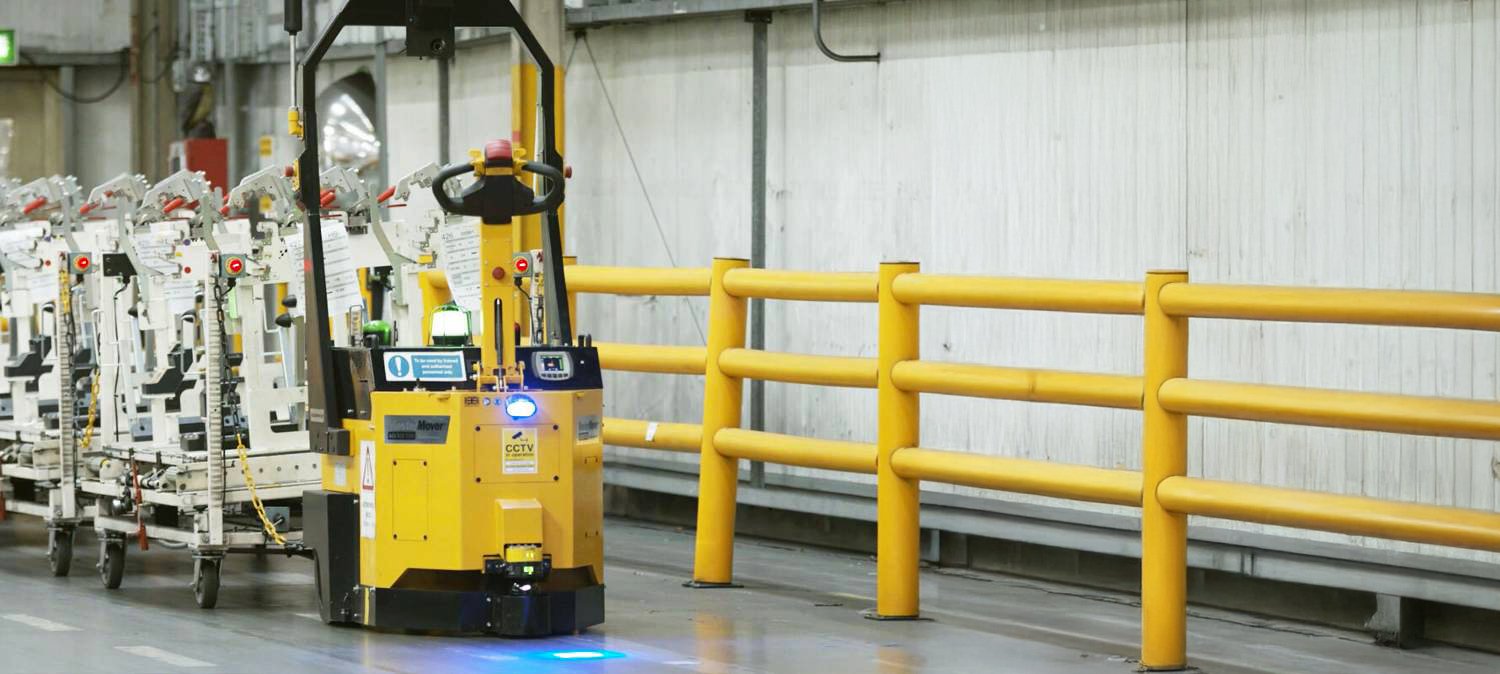
- Productivity and efficiency are vital: With headcount still falling and labour costs rising, investments that lift output per person (such as automation, smarter material handling, and better factory layouts) are likely to stay top of agendas.
- Domestic market matters more right now: Understanding and serving UK customer needs quickly and reliably will be a key differentiator whilst overseas demand remains weak.
- Pricing pressure will remain: Buyers are pushing hard on value, and many manufacturers are responding with tighter pricing and/or enhanced service.
- Resilience is a competitive advantage: Businesses that can keep production flowing in the face of supply chain delays and workforce challenges will be better placed to win share as demand gradually improves.
UK manufacturing may have moved back into growth, but the foundations are still fragile. As demand gradually steadies, the businesses most likely to gain ground will be those that focus on productivity, resilience, and serving UK customers better and faster. The challenge now isn’t to wait for a full rebound, but to use this early momentum to prepare operations for the next phase of growth.